


 HOME >
 Optimizing Oil Immersed Transformers: Melinex® Film Best Practices
At Sui On Insulating, we specialize in delivering high-performance electrical insulation solutions for heavy-duty power equipment. Oil immersed transformers require exceptional mechanical strength and dielectric reliability under continuous chemical exposure. Selecting premium materials ensures optimal thermal dissipation and efficiency.
High-voltage electrical transformers operate under significant dielectric stress within liquid insulation media. Modern liquid-filled transformers utilize specialized polymeric films to prevent electrical breakdown between windings. We assist engineering teams in selecting dielectric materials built to endure demanding electrical challenges.
Among the most reliable material solutions available, Melinex® film stands out for its balanced physical properties and chemical stability. When integrated into transformer assemblies, this versatile material extends operational lifespans while minimizing dielectric losses under severe working conditions.
In this technical article, our engineering team highlights essential best practices for implementing Melinex® film within oil immersed transformer architectures. We examine critical dielectric parameters, material specification choices, and precision handling techniques necessary to achieve maximum efficiency.
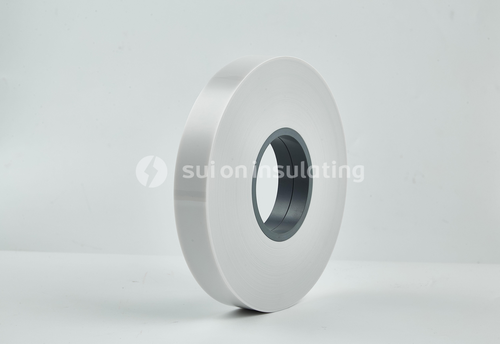
Key Dielectric Properties of Melinex® Film in Transformer Oil
Oil immersed transformers subject internal insulation to mineral oil or synthetic ester fluids at elevated temperatures. Polyester films such as selected Melinex® and Mylar® grades can provide electrical insulation, dimensional stability, and chemical resistance in suitable electrical applications.
Dielectric strength remains a primary consideration when designing interlayer insulation systems. High-grade Melinex® film provides outstanding breakdown voltage protection within compact design footprints. This allows manufacturers to reduce overall equipment dimensions without compromising dielectric safety margins.
Furthermore, low moisture absorption is vital for maintaining dielectric stability inside oil tanks. Water ingress can degrade fluid insulation and trigger premature breakdown. Low moisture absorption helps support dielectric stability, although PET film selection should also consider long-term hydrolytic and thermal aging conditions.
Thermal performance is equally critical in liquid-filled environments. Quality biaxially-oriented PET films maintain dimensional stability across standard operating temperatures from 105°C to 130°C. They do not leach harmful contaminants into transformer oil, preserving the fluid’s breakdown voltage performance.
Selecting Melinex® Film and Mylar® Polyester Film Grades
Choosing the appropriate material specification is crucial for achieving optimal performance in transformer manufacturing. At Sui On Insulating, we supply certified grades tailored to exact engineering specifications, each providing distinct physical and electrical characteristics for targeted applications.
For general interlayer insulation, Melinex® S represents an industry standard specification. Available in thicknesses from 50 μm to 520 μm, it balances high mechanical toughness with superior dielectric properties. Its consistent surface uniformity ensures smooth, reliable layer winding.
When ultra-low extractables are required, specialized grades like Melinex® 238 are strongly recommended. Ranging from 75 μm to 350 μm in thickness, this milky-white film resists chemical extraction by transformer fluids, making it ideal for sealed electrical equipment.
In applications requiring high electrical strength and low thermal shrinkage, Mylar® MO offers exceptional endurance. Thicknesses from 125 μm to 350 μm provide superior heat resistance and low water absorption, ensuring robust structural insulation between heavy copper conductor windings.
For specialized conductor wrapping, Mylar® 850 offers controlled heat-shrink capabilities in thin gauges from 12 μm to 30 μm. This ensures tight, uniform dielectric coverage around wire bundles prior to coil assembly and oil impregnation processes.
Coil Processing Best Practices for Transformer Assemblies
Proper material handling during coil winding and core assembly is critical to preserving long-term dielectric integrity. Technicians must avoid sharp bends or excessive tension that could induce micro-fractures. Maintaining clean processing environments prevents airborne particulate contamination on insulating surfaces.
Pre-drying and oil impregnation protocols require careful temperature control. While high-grade Mylar® polyester film tolerates short-term temperature spikes from -100°F to 300°F, baking temperatures must be regulated to prevent thermal distortion before final oil filling.
Vacuum impregnation processes must ensure complete oil saturation throughout all insulating layers. During vacuum filling or impregnation, the winding structure should be designed and processed to promote effective oil penetration and minimize trapped gas or voids.
When designing hybrid insulation systems, combining PET films with high-temperature materials yields excellent results. Pairing PET with Arclin (formerly DuPont) Nomex® creates durable composite insulation, while severe thermal zones may integrate Qnity (formerly DuPont) Kapton® polyimide film.
Quality Assurance and Compliance Standards
Reliable insulation performance depends directly on strict material quality control. At Sui On Insulating, our insulation materials carry UL component recognition (UL File E93687) along with RoHS and REACH compliance. Our operations strictly adhere to ISO 9001 and ISO 14001 certification standards.
Engineers designing modern power distribution systems must account for long-term thermal aging and mechanical stress. Utilizing properly verified Melinex® film helps deliver consistent, long‑lasting performance for continuous grid operation under demanding load variations, with multi‑decade service‑life expectations.
Our technical team collaborates closely with transformer manufacturers during the design phase. We help optimize insulation layer thickness, select suitable slot liners, and recommend custom conversion processes, such as precision slitting or die-cutting, tailored to exact transformer geometries.
In conclusion, adopting best practices when implementing Melinex® film leads to safer, more efficient oil immersed transformers. Proper grade selection, careful processing, and rigorous quality compliance protect valuable power assets against electrical breakdown and unexpected downtime.
At Sui On Insulating, we remain fully committed to delivering high-grade insulation materials for the global electrical power industry. Contact our experienced engineering team today to discuss your transformer insulation requirements and request customized material samples for your next manufacturing project.