


 HOME >
Modern electrical equipment relies on high-performance insulation materials to ensure safety, efficiency, and long-term reliability. Among the most widely used insulation films are Mylar® PET film and Qnity (formerly DuPont) Kapton® (hereinafter referred to as “Kapton®”) polyimide film. While both materials offer excellent electrical insulation, they are designed to perform under different operating conditions and application requirements. Understanding their differences helps manufacturers select the most suitable material while optimizing both performance and cost.
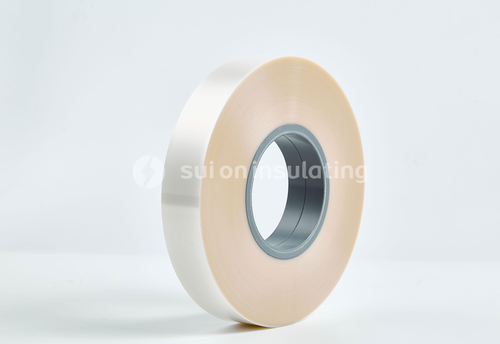
Understanding Mylar® PET Film and Kapton
Before comparing these materials, it is important to understand their basic characteristics.
Mylar® polyester film is a biaxially oriented polyethylene terephthalate (BOPET) film developed for applications requiring excellent mechanical strength, dimensional stability, and electrical insulation. It is widely used in motors, transformers, generators, electronic products, packaging, and graphic applications.
Kapton®, on the other hand, is a polyimide film designed for environments exposed to extremely high or low temperatures. It offers exceptional thermal stability while maintaining reliable electrical insulation, making it a preferred choice for aerospace, high-temperature electronics, flexible circuits, and other demanding industrial applications.
Although both materials serve as electrical insulation films, their performance advantages differ significantly depending on the operating environment.
Performance Comparison at a Glance
The following comparison highlights the major differences between Mylar® PET film and Kapton.
When comparing Mylar® polyester film and Kapton® polyimide film, several key differences emerge. Mylar® is made from PET (BOPET), while Kapton® is based on polyimide. Both materials offer excellent mechanical strength, electrical insulation, and high flexibility. However, Kapton® offers outstanding chemical resistance, while Mylar® also provides excellent chemical resistance for many industrial environments. In terms of moisture resistance, Mylar® performs excellently, while Kapton® is still very good but slightly less so.
The most notable distinction lies in their temperature tolerance: Mylar® operates reliably between -100°F and 300°F, whereas Kapton® is suitable for applications requiring significantly higher thermal resistance. Cost-wise, Mylar® is more economical, making it a lower-investment option, while Kapton® requires a higher investment. As a result, their applications differ accordingly—Mylar® is commonly found in motors, transformers, generators, and photovoltaics, whereas Kapton® is preferred in aerospace, flexible electronics, and high-temperature equipment.
For many industrial applications, Mylar® polyester film provides an excellent balance between performance and cost, while Kapton® becomes the preferred option when extreme thermal resistance is essential.
Why Mylar® PET Film Remains an Industry Standard
Many manufacturers choose Mylar® PET film because it delivers dependable performance across a broad range of industrial applications without unnecessary cost.
Mylar® polyester film combines superior tensile strength, chemical stability, moisture resistance, and dimensional stability. With an operating temperature range from -100°F to 300°F, it performs reliably in many electrical insulation systems used throughout modern manufacturing.
Its versatility has made it one of the most widely specified insulation materials for transformers, motors, generators, optics, photovoltaics, bus bars, and laminated insulation structures.
Another advantage is the availability of multiple product grades designed for different performance requirements.
For example:
Mylar® A is a standard polyester film available in thicknesses from 12 to 500 μm, providing an excellent balance of polyester film properties.
Mylar® AHS1/KBS, available from 23 to 130 μm, offers an outstanding combination of durability, robustness, and overall industrial performance.
Mylar® E, available from 12 to 23 μm, delivers exceptional transparency with high light transmission and surface gloss for specialized applications.
These product options allow manufacturers to select materials that closely match their design requirements.
When Kapton® Is the Better Choice
Although Mylar® polyester film satisfies the needs of many industrial insulation systems, some applications demand even greater thermal performance.
Kapton® maintains excellent mechanical and electrical properties across an extremely wide temperature range, making it suitable for environments where conventional polyester films may not provide sufficient thermal stability.
Industries such as aerospace, electric vehicle electronics, semiconductor manufacturing, flexible printed circuits, and advanced industrial automation frequently specify Kapton® because equipment may operate under continuous high temperatures or experience severe thermal cycling.
For these specialized applications, the higher material cost is often justified by improved long-term reliability and system performance.
Factors to Consider Before Selecting an Insulation Film
Choosing between Mylar® PET film and Kapton® requires evaluating more than temperature resistance alone. Manufacturers should assess the complete operating environment before making a material selection.
Important considerations include operating temperature, electrical insulation requirements, mechanical stress, chemical exposure, moisture conditions, processing methods, expected service life, and project budget.
For many motors, transformers, generators, and photovoltaic products, Mylar® polyester film provides the ideal balance of durability, electrical insulation, processing efficiency, and overall value.
Applications exposed to unusually high temperatures or harsh operating environments may benefit from Kapton® despite its higher investment cost.
Working with an experienced insulation material supplier helps ensure that these technical factors are evaluated properly during product development.
Partner with an Experienced Insulation Materials Provider
Selecting between Mylar® PET film and Kapton® is ultimately a matter of matching material performance to application requirements. Both films offer outstanding electrical insulation, but each excels under different operating conditions.
At Sui On Insulating, we help customers identify the most suitable insulation materials for their projects. As a national high-tech enterprise specializing in insulation materials, we supply premium products for motors, generators, transformers, electronic products, and new energy vehicles. Our portfolio includes internationally recognized insulation materials such as Mylar® polyester film and Kapton®, allowing customers to source reliable, high-quality solutions from a single trusted partner. Backed by certified quality systems, technical expertise, and responsive service, we support manufacturers in building safer, more efficient, and longer-lasting electrical equipment.