


 HOME >
 Master Techniques for Handling Thin Polyester Insulation in High-Voltage Equipment
Electrical safety relies heavily on robust dielectric insulation barriers to preserve operational integrity and prevent sudden catastrophic system failures. When processing ultra-thin dielectric materials, specialized industrial conversion procedures become vital. Proper handling helps minimize microscopic defects and supports reliable insulation performance throughout the equipment service life.
Preventing internal electrical failure requires meticulous attention to detail across every stage of manufacturing. Integrating premium Mylar® polyester film into compact motor designs or transformer assemblies allows electrical engineers to minimize total component footprints while preserving necessary thermal stability and vital dielectric strength under demanding operating conditions.
At Sui On Insulating, we fully recognize that even subtle mechanical stresses can degrade thin dielectric materials. Maintaining pristine processing environments and utilizing refined handling techniques protects delicate thin film layers against early dielectric breakdown, ultimately safeguarding modern power equipment against damaging high-voltage short circuits during operation.
Dielectric breakdown occurs whenever electric field intensity surpasses an insulating material’s intrinsic breakdown threshold limit. In thin polymer barriers, surface scratches, microscopic pinholes, or embedded airborne dust particles create localized electrical field concentrations. These subtle physical defects drastically reduce the cumulative breakdown voltage of the installed barrier.
Utilizing a high-grade 2 mil Mylar® film delivers extraordinary tensile strength and spatial efficiency within tight electrical enclosures. However, a fifty-micron thickness offers minimal tolerance for mistreatment. Excessive creasing permanently disrupts polymer chain alignment, creating localized structural weaknesses susceptible to partial corona discharge and rapid material breakdown.
When severe electrical stress attacks a mechanically damaged section of film, invisible micro-arcs begin eroding internal polymer bonds. Over time, continuous operational heat and heavy electrical charges enlarge these micro-channels, leading to complete dielectric failure and disastrous electrical short circuits inside sensitive power generation and distribution equipment.
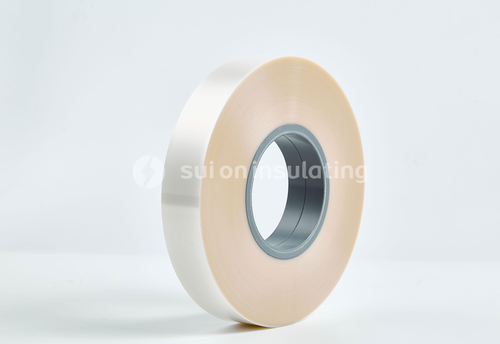
Optimized Environmental Controls and Material Handling Strategies
Controlling environmental factors during storage and material handling remains paramount when utilizing high-performance dielectric barriers. Airborne particulates, metallic dust, and foreign oils deposited on bare film surfaces pull static charges, generating dangerous stress concentrations that initiate localized dielectric breakdown during routine high-voltage operations.
Polyethylene terephthalate films naturally collect static electricity during high-speed unwinding, laminating, and slitting processes. Installing active air ionizers and grounded anti-static bars along continuous converting lines neutralizes surface charges, keeping clean 2 mil Mylar® largely shielded from dust attraction and environmental contamination throughout active production cycles.
Controlled atmospheric storage shields raw film stock from structural degradation prior to final device assembly operations. Storing material rolls inside climate-controlled facilities with regulated humidity prevents moisture condensation. Avoiding surface moisture prevents electrical tracking paths that significantly lower the nominal breakdown resistance of the protective insulation layer.
Preventing sharp physical deformation during slitting or wrapping operations protects structural integrity across the entire film surface. Assembly technicians must avoid severe bending, sharp pinching, or tight creasing. Unintended mechanical folds rupture internal polymer chains, severely compromising the overall dielectric performance of thin flexible insulating films.
Maintaining balanced web tension throughout converting operations stops excessive film stretching. Over-tensioning thin polyester substrates induces residual mechanical strain, decreasing cross-sectional thickness. This dimensional reduction leaves the insulating material considerably more susceptible to localized high-voltage punch-through and accelerated dielectric breakdown over long operating lifespans.
Clean edge cutting during converting operations remains critical for preventing edge-creepage discharges. Using sharp, high-precision slitting blades leaves smooth, clean perimeters without microscopic burrs. Burr-free film edges distribute electric fields evenly, preventing localized electrical concentration along the outer boundaries of thin insulation components in high-voltage machinery.
Advanced Fabrication Standards and Quality Assurance Methods
Custom die-cutting procedures demand ultra-sharp, meticulously maintained tooling to achieve pristine edge profiles. Smooth perimeter cuts minimise mechanical stress raisers along component borders, enabling installed insulation layers to preserve their full rated dielectric capacity during long-term exposure to continuous high-voltage operational stress cycles.
Integrating inline optical inspection systems allows manufacturers to identify surface defects prior to final motor assembly steps. High-speed vision sensors detect minute pinholes, surface gels, and embedded contaminants, helping to screen out defective material so that film stock with minimal residual defects enters assembly lines where dielectric breakdown could lead to severe equipment failure.
Standardized dielectric strength testing verifies batch consistency across incoming insulation shipments. Subjecting sample sheets to controlled voltage ramp rates allows quality control engineers to confirm that processed Mylar® polyester film batches consistently satisfy required breakdown voltage standards before installation into heavy-duty transformers or specialized power devices.
Chemical compatibility represents another essential factor when engineering composite electrical insulation systems. Removing oil and grease contaminants from film surfaces facilitates superior adhesion with liquid impregnating resins, insulating varnishes, and specialized adhesives used in motor slot liners and transformer coil encapsulation assemblies.
Multi-layer insulation structures frequently combine thin polyester materials with advanced synthetic aramid paper or polyimide barriers. Blending specialized substrate layers such as Nomex® aramid paper or Kapton® polyimide film with polyester films produces resilient composite laminates specifically engineered to withstand severe thermal and electrical operating stresses in demanding environments.
Achieving total protection against dielectric breakdown in thin flexible insulation requires a holistic manufacturing approach. Combining cleanroom processing, static elimination, precise web tension control, and strict edge quality management preserves physical integrity while ensuring maximum electrical insulation performance across demanding industrial applications.
At Sui On Insulating, our dedicated material specialists provide premium dielectric solutions tailored to demanding technical specifications. We help manufacturing teams select ideal film grades, standardize assembly processes, and enhance total equipment reliability. Contact Sui On Insulating today to discuss your next custom insulation project.