


 HOME >
 Evaluating High-Voltage Insulation: A Comparative Guide to Aramid Polymer Grades
High-voltage electrical equipment demands robust barrier materials capable of preventing current leakage under extreme operational stresses. Engineers must carefully evaluate various options before selecting the ideal grade for power transformers, high-capacity generators, and heavy-duty industrial rotating machinery operating globally today.
At Sui On Insulating, we help global equipment manufacturers analyze technical specifications and choose reliable materials. Providing premium Nomex® electrical insulation ensures that transformers and motors maintain structural and dielectric integrity throughout their extended service lives without unexpected performance degradation issues.
The fundamental chemical composition of a barrier layer dictates its long-term reliability under severe electrical loads. Utilizing high-performance polyamide insulation helps engineering teams achieve superior resistance against thermal aging, dielectric breakdown, and mechanical deformation across complex power networks reliably.
Comparing different material grades allows design professionals to balance mechanical toughness with electrical breakdown strength. Selecting correct density and thickness ensures optimal performance, minimizing power losses and protecting vital system components from high-voltage transient surges or continuous operational stress.
Analyzing Standard versus Calendered Polymer Variations
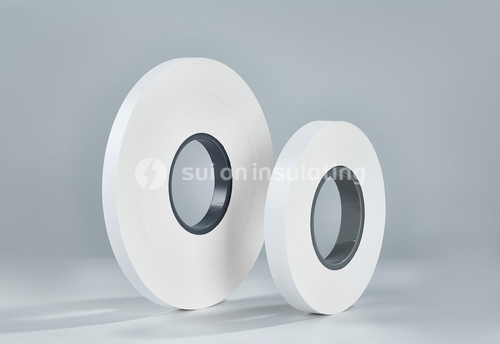
Nomex® 410 represents the baseline standard for high-density, calendered aromatic polymer sheets used extensively across electrical manufacturing. Its tightly packed fibrous structure delivers remarkable mechanical strength and high short-term dielectric strength, making it the preferred choice for demanding high-voltage transformer and motor winding insulation systems.
Conversely, uncalendered variants like Nomex® 411 feature lower density and higher porosity, offering higher porosity capabilities. Equipment builders often choose these specific grades when excellent impregnability and conformability are required to wrap complex coil geometries securely during custom motor and generator manufacturing workflows.
Medium-density grades bridge the gap by offering balanced mechanical flexibility and moderate impregnability. Evaluating these distinct physical characteristics helps manufacturers determine which specific variant aligns best with their specific dielectric requirements, thermal class limits, and automated factory production line winding speeds daily.
At Sui On Insulating, we supply an extensive portfolio of advanced aromatic polyamide insulation products tailored to diverse industrial applications. Our technical experts assist procurement teams in navigating subtle grade variations to maximize equipment reliability and operational safety standards worldwide.
The Role of Density and Thickness in Performance
Thickness and density specifications directly influence both the mechanical behavior and dielectric performance of insulating components. Thinner grades provide exceptional flexibility and conformability for tight spaces, whereas thicker variants offer superior puncture resistance and higher voltage endurance for heavy-duty power generation equipment and industrial machinery.
The manufacturing process of calendered sheets involves high-pressure calendering that compresses the fibrous network, significantly boosting density. This dense configuration prevents internal void formation, ensuring that Nomex® insulation paper maintains consistent dielectric permittivity and resists partial discharges under prolonged high-voltage exposure in power systems.
Furthermore, dimensional stability under fluctuating environmental conditions prevents warping and maintains precise clearance gaps. Standard cellulose alternatives often absorb moisture and swell, whereas high-grade aramid materials retain their precise dimensions, ensuring reliable insulation barriers inside sealed transformer tanks and motor housings.
Designers must balance physical dimensions with electrical requirements to avoid over-specifying or under-specifying components. Selecting optimized thicknesses reduces material waste, lowers overall assembly weight, and enhances heat dissipation efficiency across complex electrical equipment operating at elevated continuous voltage ratings.
Optimizing Thermal and Dielectric Resilience Under Stress
Thermal endurance is a critical parameter when comparing insulation grades for high-voltage applications. Rated as a Class H insulation material, Nomex® withstands continuous operating temperatures up to 180°C without losing its mechanical elasticity, chemical inertness, or essential dielectric properties over extended multi-year operational lifespans safely.
In addition to thermal stability, excellent chemical compatibility ensures resistance against transformer oils, refrigerants, and varnishes. This inherent resistance prevents chemical breakdown when exposed to aggressive industrial solvents and lubricating fluids, protecting vital conductive components from premature degradation in harsh chemical plant environments.
Environmental resilience also includes outstanding resistance to moisture absorption, radiation, and fungal attack. Even under high relative humidity conditions, densified aramid papers retain a substantial percentage of their dry dielectric strength, preventing moisture-induced short circuits and ensuring uninterrupted power transmission across outdoor renewable energy installations.
Combining these superior thermal, chemical, and electrical characteristics allows manufacturers to design compact equipment that operates efficiently at higher load factors. This capability reduces the physical footprint of electrical apparatus while maintaining robust safety margins against unexpected voltage spikes and transient electrical faults.
Strategic Sourcing and Selection with Industry Experts
Procuring the correct grade of Nomex® electrical insulation requires collaboration with knowledgeable suppliers who understand complex engineering constraints. Working with established distributors ensures consistent material traceability, stringent quality inspections, and expert technical guidance throughout every product development phase, minimizing costly manufacturing trial-and-error cycles completely.
At Sui On Insulating, we partner with global equipment builders to identify optimal material solutions and value-engineering opportunities. Whether you need custom slit rolls, die-cut components, or specialized polyamide insulation sheets, our team delivers tailored products designed for immediate integration into your automated factory workflows.
Strategic material sourcing goes beyond initial price comparisons to encompass long-term reliability and asset protection. Choosing verified, high-performance aramid components prevents premature insulation breakdown, expensive warranty claims, and unscheduled downtime, ultimately securing lower total cost of ownership for end users across diverse industrial markets.
Investing in premium insulation materials empowers manufacturers to build reliable electrical equipment that delivers enduring performance. By understanding subtle grade differences and partnering with experienced suppliers, engineering teams can optimize high-voltage designs for maximum efficiency, safety, and long-term operational success worldwide.