


 HOME >
Generators are expected to deliver reliable power under demanding operating conditions, where temperature control and insulation performance directly influence service life and efficiency. For manufacturers, maintenance providers, and power system engineers, selecting suitable insulation materials based on operating temperature is essential to prevent failures and improve equipment reliability. Understanding thermal classes, application environments, and material capabilities helps businesses build safer and more durable generator systems.
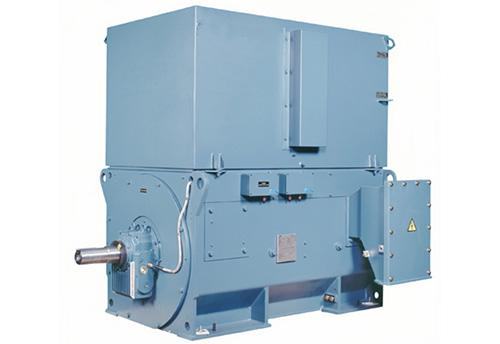
Understanding the Importance of Temperature in Generator Insulation Selection
Temperature is one of the most critical factors when selecting insulation systems for generators. During operation, generator windings and internal components experience heat caused by electrical resistance, load variations, and environmental conditions. If insulation cannot withstand these temperatures over long periods, it may deteriorate and reduce equipment lifespan.
High-quality generator insulation provides essential protection against electrical leakage, short circuits, and premature winding failure. It must maintain stable dielectric properties while also resisting thermal aging and mechanical stress caused by continuous operation.
For businesses involved in generator manufacturing or refurbishment, choosing the correct insulation grade according to operating temperature is a key step in ensuring reliable performance and minimizing maintenance requirements.
Match Generator Insulation Materials with Thermal Classes
Generator insulation systems are generally classified according to their thermal endurance levels. These classifications help engineers determine whether a material can withstand the expected operating temperature of specific generator applications.
Class B insulation materials are rated for temperatures up to 130°C and are suitable for applications with moderate thermal requirements. Class F insulation supports operation up to 155°C and is widely used in many industrial generator systems that require improved heat resistance.
For more demanding environments, Class H insulation provides thermal endurance up to 180°C. Class H applications require advanced generator insulation materials, including NHN composites, polyimide films, aramid pressboards, and mica laminates, to maintain stable performance under severe thermal and electrical conditions.
Selecting the correct thermal class ensures that the insulation system can handle actual operating conditions without unnecessary material costs or performance risks.
Consider Electrical Stress and Mechanical Durability
Temperature alone should not determine insulation selection. Generators also experience high electrical stress, vibration, and mechanical forces during operation. Therefore, insulation materials must provide a balance of dielectric strength, mechanical resilience, and thermal stability.
For high-voltage generators, electrical insulation for generators must withstand strong electric fields while preventing insulation breakdown. Reliable insulation systems help protect windings and other critical components from damage caused by voltage fluctuations and long-term electrical stress.
Mechanical durability is equally important because generator components experience repeated vibration during operation. Materials with strong structural stability help maintain insulation integrity throughout the equipment lifecycle.
Selecting Electrical Insulation for Generators in High-Voltage Applications
High-voltage generators are core equipment for large-scale electrical energy production and require insulation systems with exceptional performance. These generators are widely used in power plants, industrial facilities, and infrastructure projects where reliability is essential.
Electrical insulation for generators prevents electrical leakage, short circuits, and premature winding failure while supporting stable operation under high voltage and thermal stress. The insulation system must be carefully designed according to generator structure, voltage level, and working environment.
At Sui On Insulating, we supply a comprehensive range of generator insulation materials and components for high-voltage motors and generators. Our solutions help manufacturers and rebuilders achieve reliable insulation system performance across different generator types.
Evaluate Application Environments Before Choosing Materials
Different industries place different demands on generator insulation systems. Understanding the operating environment helps companies select materials that provide long-term reliability.
Arclin (formerly DuPont) Nomex® insulation paper, certified under UL E34739 and manufactured in compliance with ISO 9001, ISO 14001, and IATF 16949 quality standards, is available in a standard width of 914mm to meet the needs of diverse energy production environments. In thermal power plants, hydroelectric facilities, nuclear stations, and wind farms, it supports continuous operation and withstands fluctuating loads.
In heavy industrial sectors such as steel manufacturing, chemical processing, paper production, mining, and oil and gas operations, the same material delivers the thermal and mechanical resistance required for reliable generator performance under harsh conditions. For power transmission networks, urban infrastructure, and mission-critical systems including emergency backup and military equipment, its proven reliability ensures stable electricity supply where operational demands are most rigorous.
Work with an Experienced Insulation Solution Provider
Selecting generator insulation requires professional knowledge of materials, thermal classes, and application requirements. A reliable insulation supplier can provide technical guidance and help businesses choose solutions that match their equipment specifications.
At Sui On Insulating, we focus on developing, producing, and supplying high-performance insulating materials for global industrial customers. We support applications involving high-voltage motors, generators, transformers, electronic products, and new energy vehicles.
Our expertise allows us to provide customized insulation solutions based on different temperature requirements and operating environments. By combining advanced materials with industry experience, we help customers improve equipment reliability and extend generator service life.
Building More Reliable Generator Systems Through Smart Insulation Choices
Selecting insulation based on operating temperature is essential for creating efficient and durable generator systems. Companies need to consider thermal endurance, electrical performance, mechanical strength, and application conditions when choosing insulation materials.
From Class B and Class F systems to advanced Class H solutions, the right insulation selection helps prevent failures and supports long-term equipment performance. With professional materials and proper system design, generators can operate safely even under high thermal and electrical stress.
At Sui On Insulating, we continue to provide reliable electrical insulation solutions for generators used in demanding industrial applications. By choosing suitable insulation materials and working with experienced partners, businesses can achieve stronger reliability, reduced maintenance costs, and improved operational efficiency.