


 HOME >
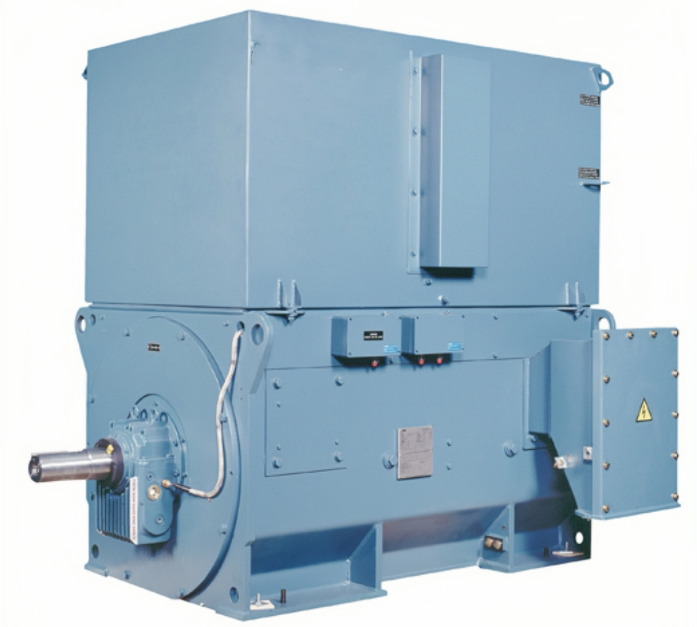
High-voltage generators, as core equipment for high-power electrical energy production, demand generator insulation materials with exceptional dielectric strength, thermal stability, and mechanical resilience. Reliable electrical insulation for generators prevents electrical leakage, short circuits, and premature winding failure — ensuring stable, long-term operation under high voltage and thermal stress.
Sui On Insulating supplies a comprehensive range of generator insulation materials and components for high-voltage motors and generators, helping manufacturers and rebuilders achieve optimal insulation system performance across all major generator types.
Main Application Areas for Insulation for Power Generators:
1. Energy Production — Thermal power plants, hydroelectric plants, nuclear power plants, wind power generation
2. Industrial Field — Steel, chemical, paper, and large-scale manufacturing; mining and oil & gas
3. Infrastructure — Power transmission systems, urban infrastructure
4. Special Scenarios — Emergency power supply, military equipment
|
Application areas |
Application materials |
|
Main insulation, end insulation |
COGEBI 608/609、NOMEX® T418/T419、 Laminated board NOMEX® Adhesive tape, glass cloth, PET/fiberglass cloth |
|
Wire (conductor) insulation |
KAPTON®、NOMEX®、 COGEBI Kalastik |
|
Insulated sealing pocket |
COGEBI Eltaseal、Glass fiber cloth |
|
Supporting/filling materials |
NOMEX® Felt, RELATS Support Cord, Roechling products, PET felt pre impregnated material |
|
lead wire |
RELATS Insulated VAC and VSC Sleeves |
|
impregnating varnish |
Axalta Voltatex® 4000, 4030 |
|
other |
Roechling products, wrinkle paper, DuPont release agent |
Generator Insulation Classes
Insulation generator systems are classified by thermal endurance level: Class B (130°C), Class F (155°C), and Class H (180°C). Class H applications require advanced generator insulation materials such as NHN composites, polyimide films, aramid pressboards, and mica laminates to withstand the harshest thermal and electrical conditions.