


 HOME >
 A Complete Guide to Mylar Polyester Film Standards
Choosing an insulating film for motors, transformers, generators, or other electrical equipment requires more than checking whether a material is made from polyester. We need to consider grade, thickness, thermal performance, electrical properties, certifications, and intended application. Mylar® polyester film is widely recognized for its combination of durability and versatility. At Sui On Insulating, we help industrial buyers evaluate these factors so they can select a suitable film for demanding insulation systems.
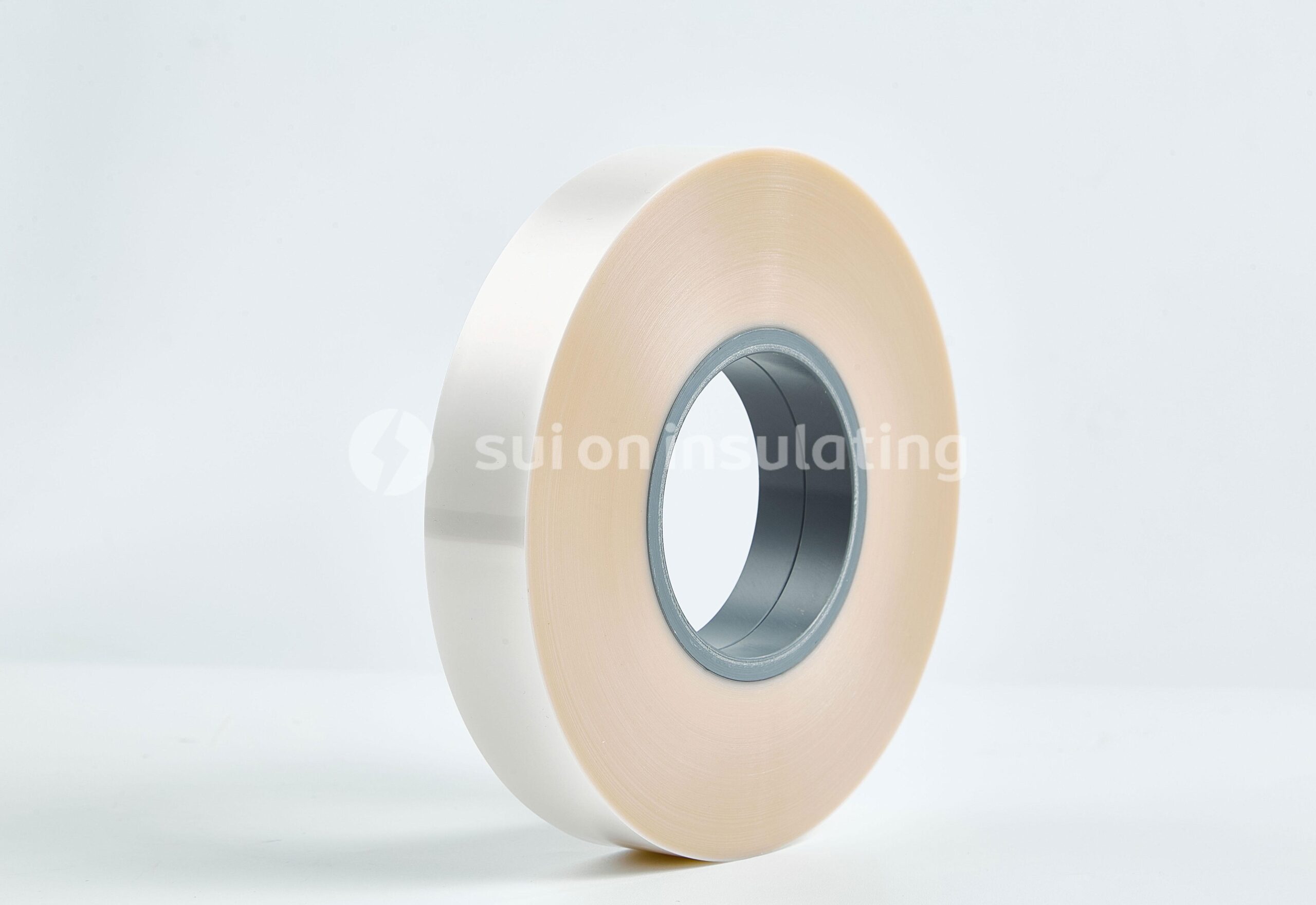
What Is Mylar® Polyester Film?
Mylar® polyester film is a biaxially oriented polyester film made from polyethylene terephthalate (PET). Its combination of mechanical strength, chemical stability, dimensional stability, and moisture resistance makes polyester film useful across industrial applications. Mylar® has been used in electronics, electrical insulation, magnetic media, imaging, and packaging. MYLAR® polyester film among materials used in recognized electrical insulation systems.
For procurement teams, the important point is that “Mylar®” does not describe one universal specification. Different grades are designed for different performance requirements. Therefore, we recommend evaluating the exact grade, thickness, construction, and application rather than selecting film solely by brand name.
Understanding Mylar® Polyester Film Standards
When we discuss standards, we distinguish between material specifications, application requirements, and certification information. A film may need to satisfy dimensional or electrical requirements while the complete insulation system may be evaluated under a separate standard. DuPont documentation, for example, references MYLAR® and MELINEX® polyester films within UL-recognized insulation systems and discusses UL Standard 1446 for insulation-system evaluation.
This distinction matters for business purchasing. A film having a particular certification or recognition does not automatically mean every grade has identical performance. We therefore encourage buyers to request the applicable technical documentation for the exact grade being considered.
Thickness and Grade Selection Matter
Our Mylar® polyester film and Melinex® film offering includes multiple grades in sheet and roll formats. The listed Mylar® A grade ranges from 12 to 500 μm and provides a balanced set of polyester-film properties. AHS1/KBS ranges from 23 to 130 μm and is positioned for industrial and electrical applications where robustness and durability are important.
Other grades address more specific requirements. Mylar® EL ranges from 12 to 125 μm and is characterized by strong electrical and thermal properties, while Mylar® MO ranges from 125 to 350 μm and emphasizes electrical insulation strength, low shrinkage, low water absorption, and heat resistance.
This range shows why thickness should be considered together with the grade. We need to match the film with available space, mechanical stress, electrical requirements, forming processes, and the expected operating environment rather than choosing thickness in isolation.
Thermal Performance and Electrical Insulation
Thermal requirements are especially important when Mylar® polyester film is used in electrical equipment. Sui On Insulating lists a temperature resistance specification of 105–130°C for its Mylar® special film/Melinex® offering. The same product information describes the broader film range as having a temperature resistance of -100°F to 300°F. Because performance can vary by grade and application, we recommend using the applicable technical specification rather than assuming one temperature figure represents every grade.
Electrical insulation is another key consideration. Certain listed grades are specifically characterized by strong electrical properties, while Mylar® MO is described with high electrical insulation strength. These characteristics help explain why polyester films are used in transformers, motors, generators, photovoltaics, and busbar-related applications.
Mylar® Polyester Film in New Energy Vehicle Applications
New energy vehicle (NEV) drive systems are another area where polyester insulation films can support compact electrical designs. Electric motors and related components operate with repeated temperature changes, vibration, and electrical stress, while manufacturers continue to reduce available installation space. Mylar® polyester film can be considered for suitable insulating barriers and component-level applications where dimensional stability, electrical insulation, and mechanical durability are required.
For NEV manufacturers, the appropriate grade and thickness still depend on the specific motor or electrical component. Factors such as operating temperature, voltage, winding structure, available space, and processing method should be evaluated together. We can help customers assess Mylar® and Melinex® options according to these requirements rather than treating polyester film as a one-size-fits-all solution.
Width, Form, and Application Requirements
The standard width listed for our Mylar® polyester film offering is 1,000–1,450 mm, with carton packaging and A4-size samples available. We provide the material in polyester film sheet and roll formats, giving industrial customers options for different converting and manufacturing processes.
Application requirements should guide the final selection. Our listed Mylar® and Melinex® grades are used in transformers, motors, generators, optics, photovoltaic applications, and busbars, as well as laminating and casing materials. Some specialized grades are intended for copper-wire wrapping, heat-shrink applications, compressor motors, printing, or lamination.
Making a Better Film Specification Decision
A complete Mylar® polyester film specification should identify the exact grade, thickness, format, width, temperature requirements, electrical requirements, and applicable compliance documentation. We also recommend confirming whether the film will be laminated, die-cut, wrapped, formed, or combined with other insulation materials.
For procurement teams, this level of detail reduces substitution risk and makes supplier comparisons more meaningful. Instead of asking only for “Mylar® film,” we can define the technical requirements first and then identify the grade that best fits the application.
Building More Reliable Insulation Choices
Mylar® polyester film remains a practical material for many industrial insulation applications because different grades can address different mechanical, electrical, thermal, and processing needs. At Sui On Insulating, we focus on helping customers connect those requirements with the appropriate material specification. By checking grade, thickness, certifications, dimensions, and operating conditions together, we facilitate more precise polyester-film selection and support more reliable electrical insulation solutions.