


 HOME >
In the highly specialized sector of electrical insulation, securing the right materials and processing them flawlessly is absolutely paramount for industrial manufacturing success. Whether engineering components for new energy vehicles, rail transit networks, or advanced wind power generators, the integrity of your dielectric barriers dictates system safety. At Sui On Insulating, we have spent 40 years deeply embedded in the insulation industry, providing top-tier, systematic material solutions to high-end manufacturing sectors globally. We frequently observe manufacturers encountering process-related challenges when integrating advanced materials. One of the most versatile materials in our portfolio is mylar polyester film. While renowned for its exceptional durability, hydrolysis resistance, and broad application range, improper handling during the critical lamination phase can severely compromise its inherent advantages. In this comprehensive technical guide, we will explore the most common processing mistakes engineering teams make when laminating dupont mylar polyester film. We aim to provide actionable, professional insights to help B2B manufacturers optimize their workflow, reduce material waste, and safeguard their final product quality.
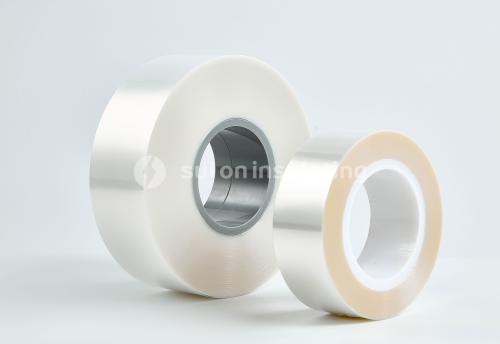
Misjudging Thermal Parameters for mylar polyester film
Engineers specify dupont mylar polyester film for high-demand electrical applications primarily due to its remarkable thermal stability. This advanced material boasts excellent high-temperature dimensional stability, capable of operating continuously in environments reaching 155°C while maintaining notably low thermal shrinkage. However, a frequent mistake during the lamination process is failing to calibrate the heated rollers to the precise thermal thresholds of the specific film grade. When applied heat exceeds the optimal lamination window, the film experiences unintended structural relaxation or aggressive localized shrinkage. This thermal mishandling inevitably leads to warping, curling, or the introduction of internal mechanical stresses that permanently degrade the material’s dielectric strength. Conversely, insufficient heat results in poor adhesive wet-out and subsequent delamination under field stress. To avoid these failures, manufacturers must rigidly adhere to technical data sheets and employ precise thermocouple monitoring. At Sui On Insulating, our fully equipped testing facilities empower us to assist our B2B partners in establishing the exact thermal processing windows required for their unique applications.
Inadequate Web Tension Control During Processing
Maintaining precise mechanical control during high-speed roll-to-roll processing is equally vital. mylar polyester film offers superb physical properties, including impressive tensile strength and excellent surface hardness. Despite this inherent ruggedness, a common lamination error involves applying excessive tension to force the web flat, which inadvertently stretches the substrate beyond its elastic limits. When this tension is ultimately released, the film attempts to revert to its original dimensions. This memory effect generates massive shear stress against the adhesive layer, often resulting in severe curling or micro-tearing of the laminated composite. Alternatively, insufficient web tension allows for wrinkling and microscopic air entrapment, which immediately ruins the electrical insulation integrity by creating dangerous voids. Process engineers must implement highly responsive, closed-loop tension control systems equipped with precision load cells. This ensures that dupont mylar polyester film is handled seamlessly, guaranteeing that its exceptional physical characteristics remain completely intact throughout assembly.
Overlooking Environmental Controls and Material Compatibility
Another critical oversight in the manufacturing environment is ignoring ambient conditions and chemical compatibility during lamination operations. While premium polyester films feature robust hydrolysis resistance and outstanding UV resistance, the industrial adhesives used to bond them are frequently highly sensitive to ambient humidity and particulate contamination. Laminating mylar polyester film in an uncontrolled facility can easily trap moisture or microscopic dust between the composite layers. Over time, particularly in demanding sectors like rail transit or renewable energy, this trapped moisture triggers localized hydrolysis or adhesive degradation, drastically reducing the lifespan of the insulation system. Furthermore, selecting an incompatible adhesive system is a costly mistake. The adhesive must precisely match the thermal expansion coefficient of the film. As a manufacturer dedicated to solving these problems, we at Sui On Insulating offer comprehensive technical consulting to ensure your adhesive systems align perfectly with your dielectric materials.
Failing to Leverage Pre-Engineered Composite Solutions
Often, the biggest mistake procurement teams make is attempting to laminate complex multi-layer structures in-house without specialized equipment. Combining various high-performance materials requires immense precision. Instead of risking processing errors with raw dupont mylar polyester film, many B2B clients benefit from utilizing pre-engineered, UL-certified composite solutions. For example, our proprietary SOFLEX® brand expertly integrates different baseline materials—such as combining the exceptional 220°C structural stability of Arclin(formerly DuPont) Nomex® or the extreme thermal envelope of Qnity(formerly DuPont) Kapton® with other robust dielectric films. By sourcing pre-laminated, highly stable composite materials, manufacturers bypass the complex, error-prone lamination phase entirely. This strategic approach eliminates risks of thermal warping, tension curling, and chemical incompatibility while significantly accelerating production timelines. Leveraging our strong research and development capabilities, we supply customized configurations that precisely match your operational demands, ensuring a flawless insulation barrier.
Conclusion
Avoiding these common processing pitfalls is absolutely essential for maximizing the performance and reliability of your advanced electrical systems. By strictly controlling thermal inputs, carefully managing web tension, maintaining clean operational environments, and considering pre-engineered composites, manufacturers can drastically reduce failure rates and operational costs. Navigating these highly technical challenges does not have to be an isolated endeavor. With our fast delivery, rich product line, and four decades of unwavering quality assurance, we at Sui On Insulating are perfectly positioned to be your trusted material partner. We invite you to leverage our deep industry expertise and comprehensive testing facilities to optimize your manufacturing processes and secure the long-term success of your engineering projects.