


 HOME >
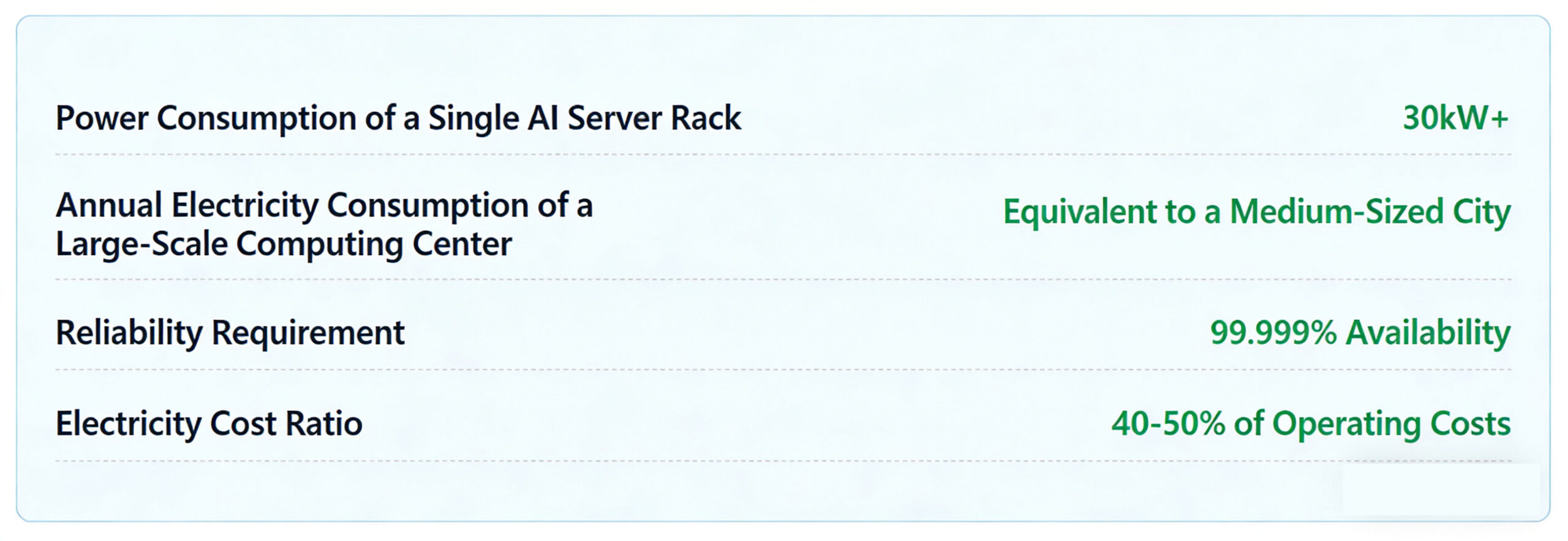
The AI boom brings not only computing power but also “power anxiety.” Over the past two years, with the development of large models, autonomous driving, and cloud computing, the demand for AI computing power has grown exponentially. A reality is becoming increasingly clear:
• Power consumption of a single AI data center: from tens of MW to hundreds of MW
• GPU clusters: continuous high-load operation
• Data center electricity consumption: rapidly climbing
Energy Challenges in the AI Era: The Power Crisis Behind the Surge in Computing Power
The Hidden Cost of Computing Centers: Power Loss
In AI data centers, electrical energy is not “used directly” but undergoes multiple stages of conversion, and each conversion introduces losses.
Power Grid → Transformer → Distribution System → UPS → Server
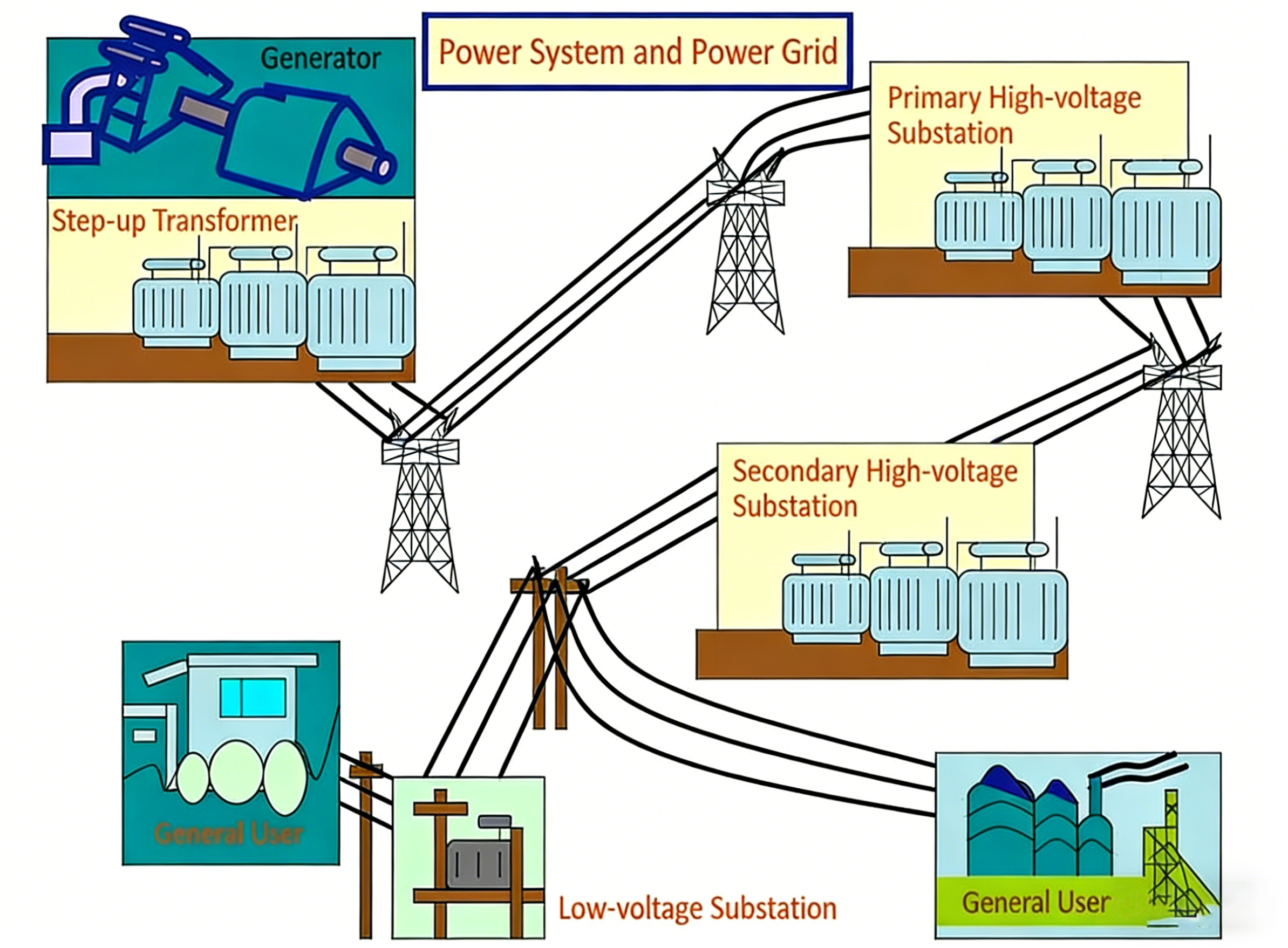
Typical sources of power loss:
• Transformer losses (core loss + copper loss)
• Distribution system losses
• UPS conversion losses
• Cooling system energy consumption
There is a key industry metric: PUE (Power Usage Effectiveness):
• Ideal value: below 1.2
• Actual value: 1.3–1.6 or even higher
This means: for every kilowatt-hour of computing power, there is additional loss. And the transformer is the “first gateway” of this system.
Power Transformer: The “Power Heart” of the Computing Center
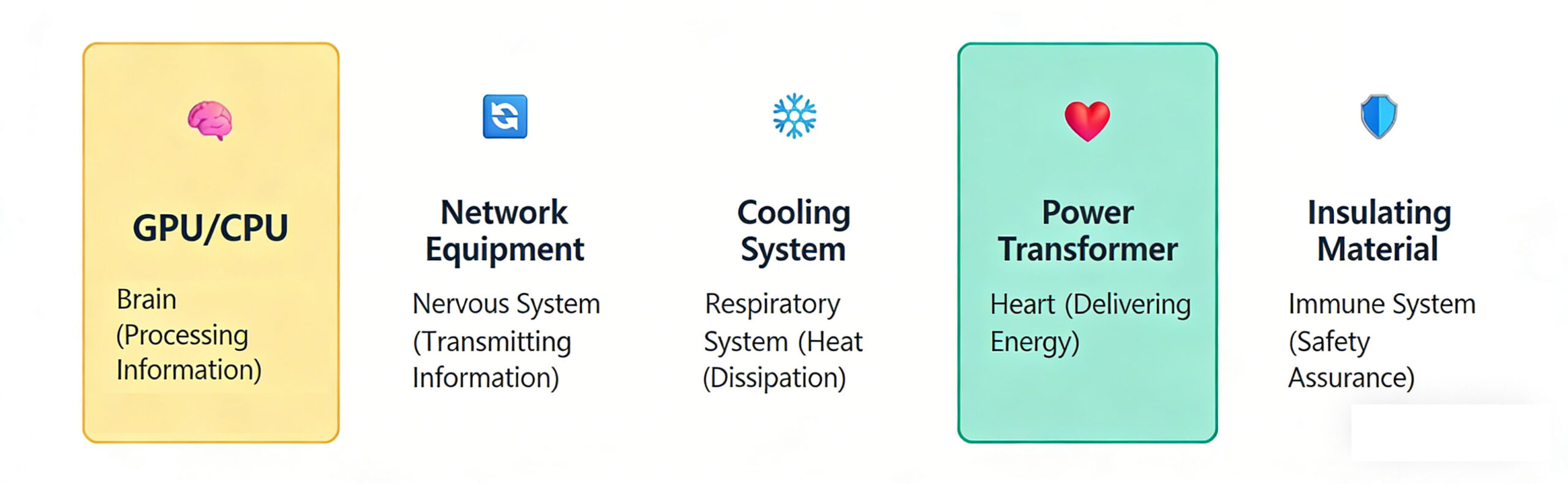
Throughout the entire power supply chain, the transformer plays a central role:
• Voltage conversion: converts high voltage into usable voltage for equipment
• Electrical isolation: protects sensitive electronic devices
• Stable power supply: reduces the impact of voltage fluctuations on servers
Without a stable transformer, there is no stable computing power output.
What transformers are actually needed behind AI computing centers?
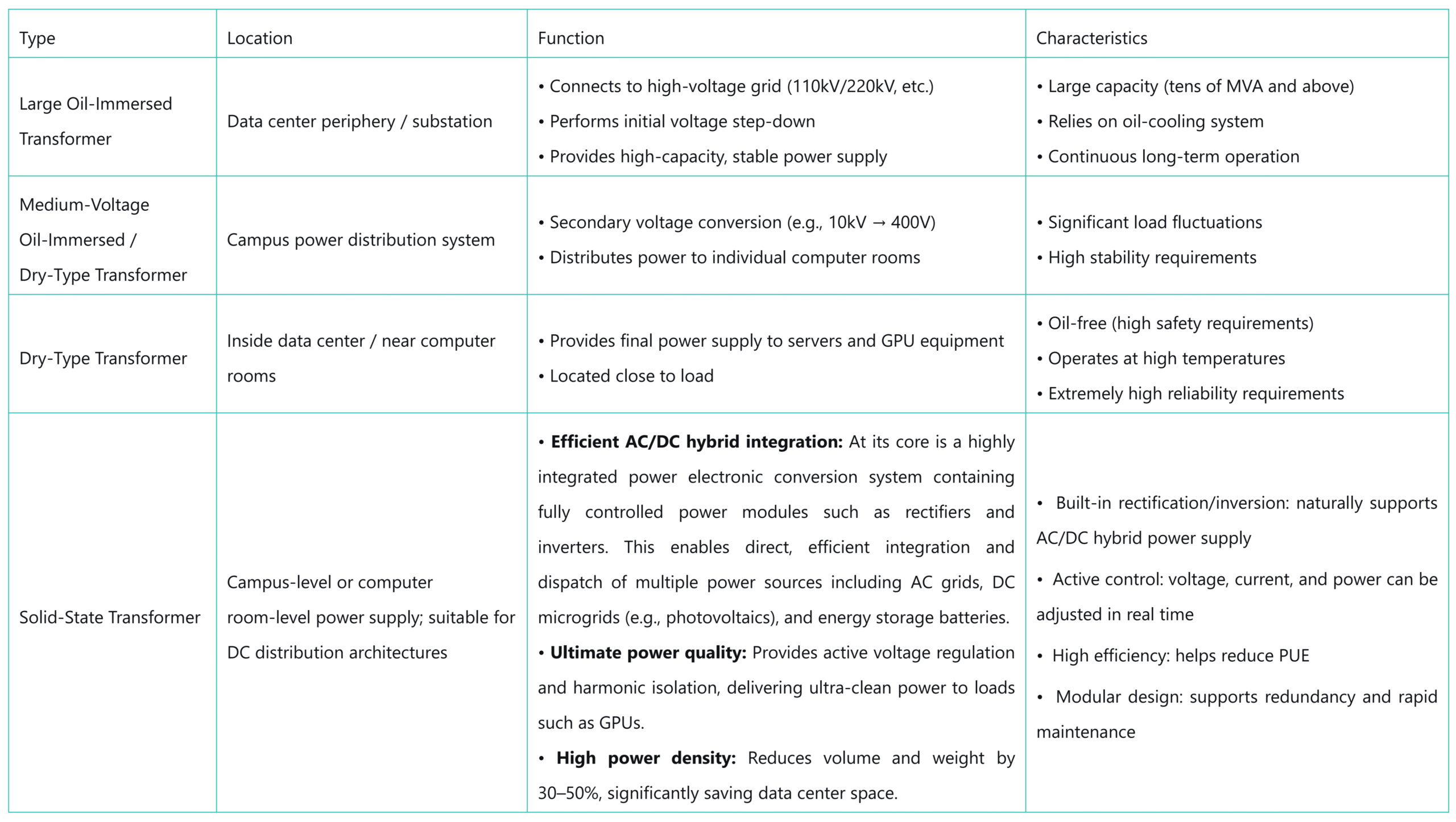
Many people assume that a data center uses only one type of transformer. However, a complete AI computing center typically includes:
• Main grid access — large oil-immersed transformers
• Campus-level power distribution — medium-voltage oil-immersed / dry-type transformers
• Computer room-level power supply — dry-type transformers (core)
• Future direction: solid-state transformers — smarter “energy routers”
What are the differences in material requirements for different types of transformers?
Oil-Immersed Transformer (Main Power Supply)
Core environment: Oil + Heat + Electricity
Material requirements:
• Oil resistance (no degradation from long-term immersion)
• Thermal stability (long-term operation)
• High electrical strength
• Low aging rate
Dry-Type Transformer (End-Power Supply)
Core environment: High temperature + Air + Electrical stress
Material requirements:
• Higher temperature rating (Class F / H / C)
• Flame retardancy
• Low partial discharge
• High mechanical strength (short-circuit withstand capability)
General Requirements for Power Distribution Systems (Unique to AI Scenarios)
New challenges brought by AI computing centers:
• High-frequency load fluctuations (GPU dynamic scheduling)
• High energy density (significant heat generation)
• Long-term stable operation (24/7)
Material requirements:
• Lower losses
• Higher reliability
• Stronger heat resistance / aging resistance
Transformer failure is often not caused by copper or the iron core, but rather by: insulation system aging. Therefore, insulation materials directly determine transformer lifespan and safety.
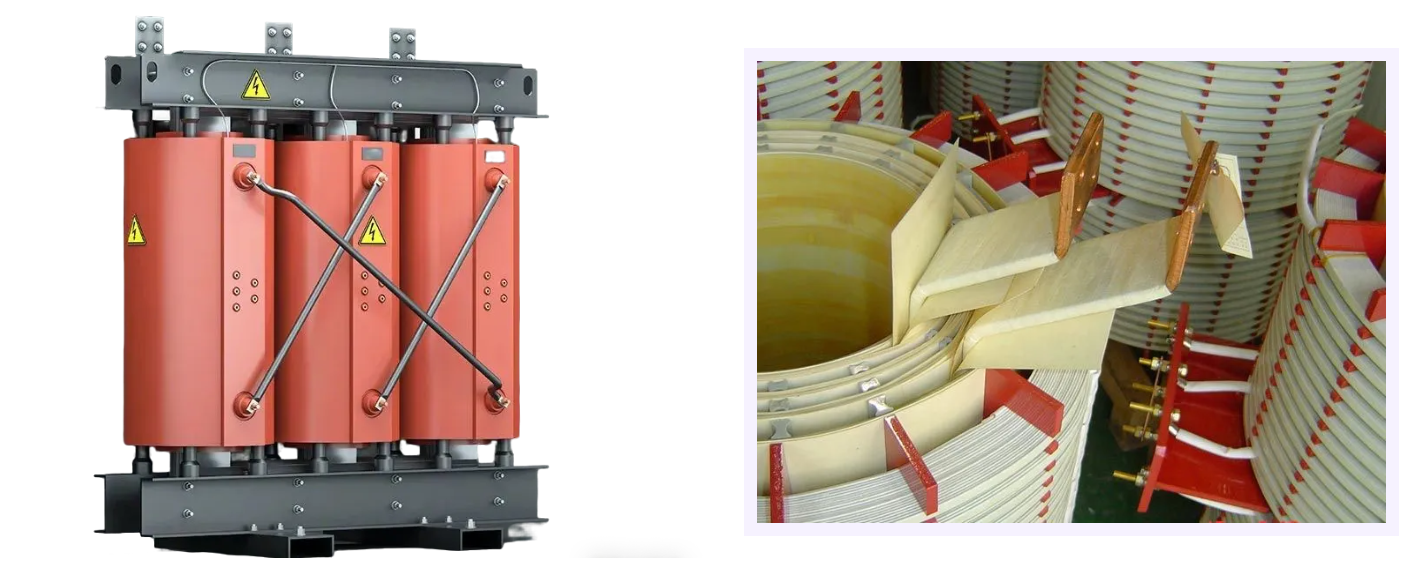
How does Sui On Insulating cover different transformer application scenarios?
In the multi-level power supply system of AI data centers, different types of transformers pose differentiated requirements for materials. The advantage of Sui On Insulating lies in its complete material system covering both oil-immersed and dry-type transformers.
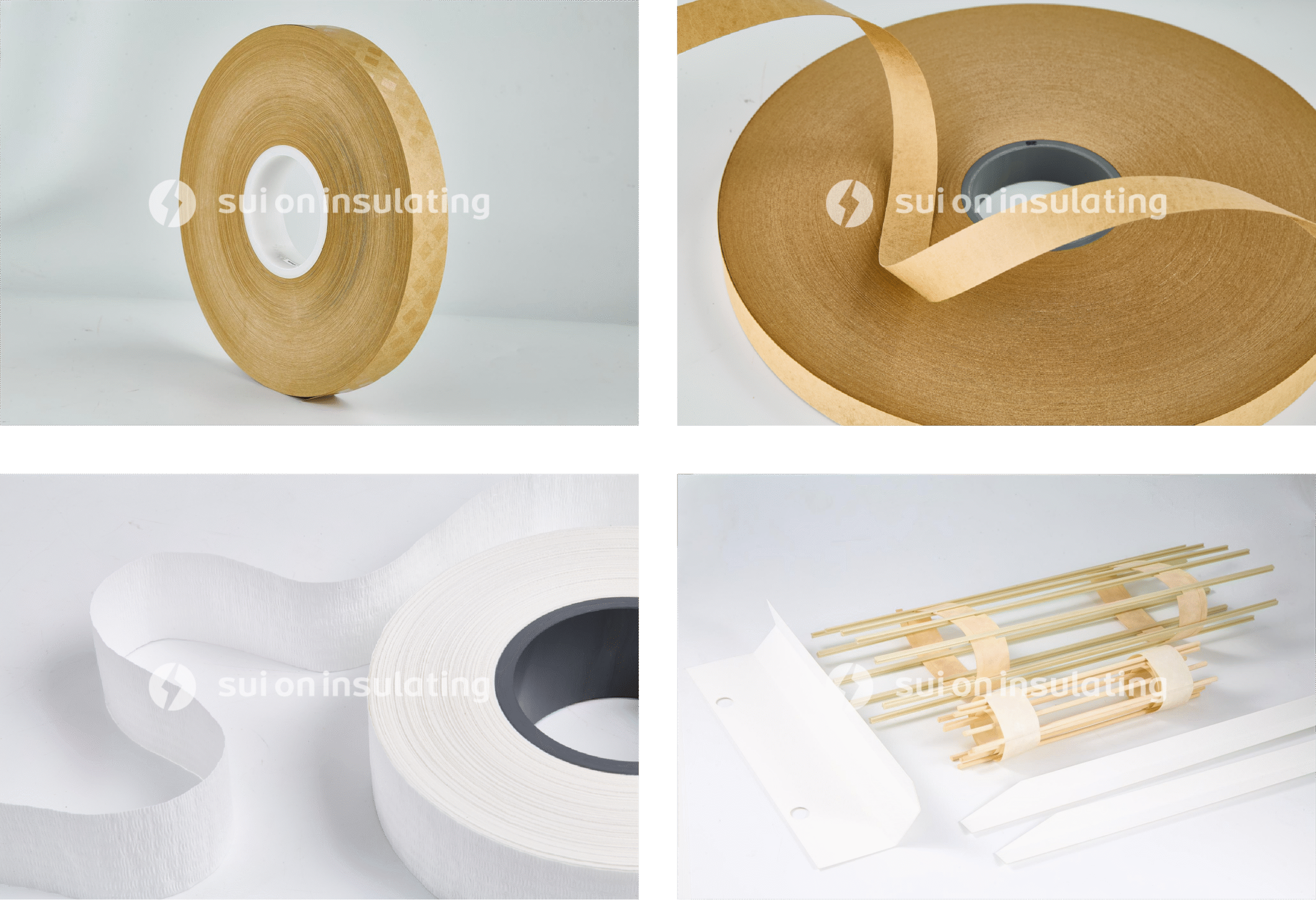
Oil-Immersed Transformer Solutions
• Cable paper, diamond-dotted paper, crepe paper, insulating varnished paper
• High-strength insulating pressboard
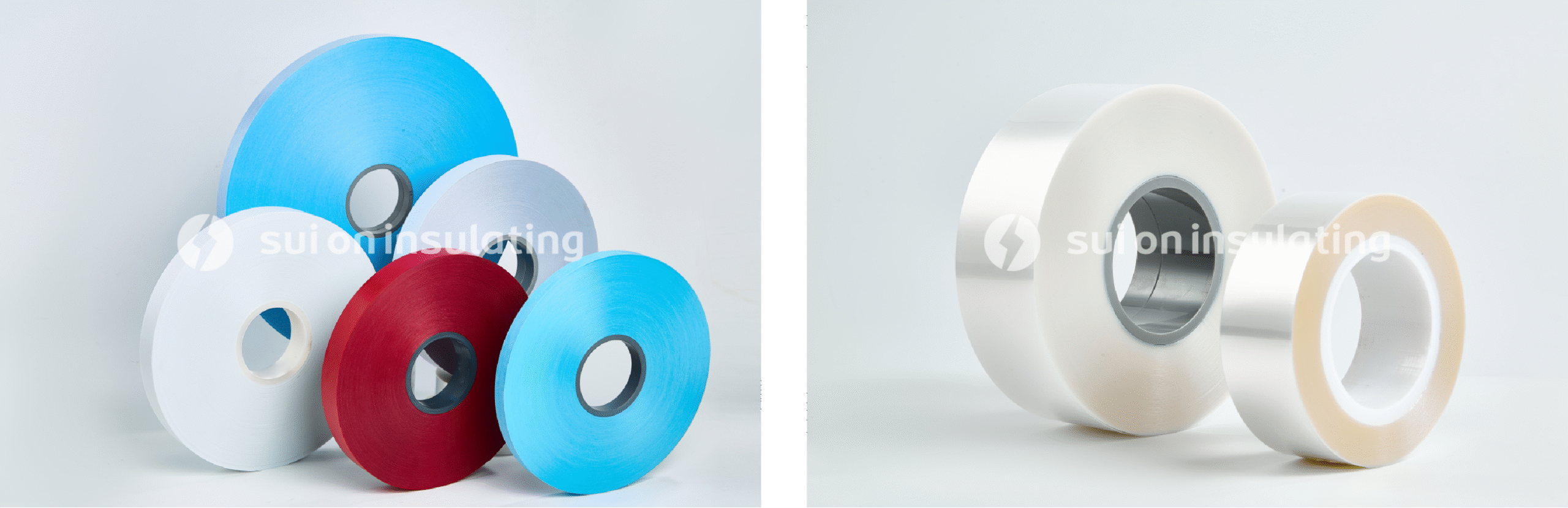
Dry-Type Transformer Solutions
• Composite materials: DMD, GHG, DHD/SHS, NMN, NHN prepregs, etc., Mylar® (PET) film, Nomex® (aramid paper)
• Encapsulation resin (epoxy system), insulating varnish
From Materials to Systems: Sui On Insulating’s Professional Enablement
In the multi-level power supply system of AI data centers, different types of transformers pose differentiated and systematic requirements for insulating materials. This is not merely a competition of individual material performance, but a test of the understanding of insulation systems and engineering experience.
With years of deep expertise in the field of insulating materials, Sui On Insulating has accumulated extensive application experience in industries such as new energy vehicles, motors, and power equipment. We possess comprehensive capabilities in material selection, structural matching, and process adaptation. For transformer applications, we provide complete multi-material collaborative solutions.
If you are focusing on:
• Material upgrades for AI data center power systems
• Insulation solutions for dry-type / oil-immersed transformers
• High-temperature, high-reliability insulation systems
We welcome you to connect and discuss with us.