


 HOME >
 Standardizing Collaboration: Best Practices for Partnering With Electrical Insulation Material Suppliers
In modern high-voltage power equipment manufacturing, dielectric performance directly dictates operational longevity. High-power transformers, industrial electric motors, and new energy vehicle drive systems operate under continuous thermal and electrical stresses. Consequently, establishing effective technical workflows with reliable component vendors is essential.
At Sui On Insulating, we collaborate with original equipment manufacturers to solve complex electrical insulation challenges. Through extensive industry experience, we have identified key best practices that streamline procurement, prevent dielectric breakdown, and optimize equipment performance across demanding B2B applications.
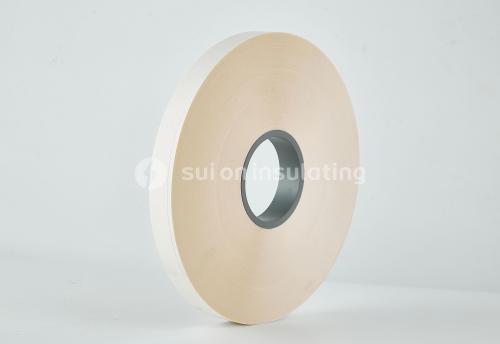
Key Criteria When Evaluating Electrical Insulation Material Suppliers
Selecting the right partner requires assessing technical depth rather than comparing unit prices alone. Qualified electrical insulation material suppliers should verify that selected materials and insulation systems meet the required thermal class, such as Class B (130°C), Class F (155°C), Class H (180°C), or higher temperature ratings where applicable.
Engineering teams should involve their electrical insulation supplier during initial design phases. Early joint review allows manufacturers to refine slot dimensions, dielectric margins, and creepage distances. This collaborative approach minimizes costly engineering revisions, avoids over-engineering, and ensures long-term system reliability.
Defining precise operating environments is another critical step. Equipment operating in harsh industrial settings requires insulations resistant to moisture, chemical exposure, and rapid thermal cycling. Providing suppliers with detailed environmental parameters enables accurate material recommendations tailored to actual field conditions.
Evaluating processing capabilities is equally crucial. Suppliers offering in-house lamination, slitting, and custom die-cutting provide seamless material integration. This single-source approach reduces vendor coordination efforts, shortens manufacturing lead times, and support more consistent quality control across processed components.
Evaluating Technical Specifications and Material Compatibility
Specifying high-grade raw materials is fundamental to dielectric integrity. Modern flexible laminates combine synthetic papers with high-strength films. For instance, triplex structures incorporating Arclin (formerly DuPont) Nomex® paper deliver outstanding thermal resistance and edge-tear strength required for heavy-duty transformer coils.
Dielectric strength requirements often necessitate integrating specialized polyester or polyimide films. Incorporating Mylar® polyester film or Qnity (formerly DuPont) Kapton® polyimide film into custom laminates provides exceptional dielectric breakdown thresholds exceeding 10 kV, even within ultra-thin, space-constrained insulation profiles.
Engineers must also verify chemical compatibility between flexible laminates and secondary insulation systems. Materials used in liquid-filled transformers or resin-impregnated motor stators must withstand prolonged contact with transformer oils, synthetic esters, and specialized impregnating varnishes without blistering, swelling, or delaminating.
Evaluating thermal dissipation properties is equally vital. High-efficiency electric motors generate substantial heat within compact slot geometries. Selecting flexible composite insulations with optimized thermal conductivity helps dissipate localized hot-spot temperatures, preventing premature thermal aging and extending overall insulation system service life.
Utilizing Value-Added Converting and Fabrication Services
Working with advanced electrical insulation material suppliers extends beyond purchasing raw master rolls. Leading vendors provide precision converting services, including custom slitting, multi-layer lamination, precision stamping, and automated hot or cold forming for specialized insulating components.
Custom slitting tolerances down to narrow widths enable seamless integration into automated coil winding machinery. Meanwhile, pre-cut slot liners, phase separators, and custom-formed insulating caps reduce manual assembly time, decrease material scrap rates, and maintain tight dimensional consistency across production runs.
At Sui On Insulating, our state-of-the-art lamination and cleanroom coating facilities produce custom composite insulation tailored to specific customer specifications. Leveraging these advanced converting capabilities allows equipment manufacturers to streamline internal assembly workflows and reduce total manufacturing overhead.
Precision stamping and cold forming services further enhance production efficiency. Custom insulation shapes designed specifically for slot closures, end-turn barriers, and terminal connections eliminate manual trimming on the factory floor, significantly improving assembly speed and ensuring repeatable dielectric protection.
Ensuring Supply Chain Resilience and Quality Traceability
Supply chain continuity is vital for maintaining production schedules in heavy industrial manufacturing. B2B buyers should evaluate a supplier’s global footprint, warehouse distribution network, raw material inventory buffers, and multi-factory production redundancy to mitigate potential market disruptions.
Quality assurance protocols must be rigorous and verifiable across every delivered batch. Reliable partners maintain strict ISO-certified quality management systems, providing complete lot traceability, detailed material test reports, and compliance documentation for international safety standards including UL and IEC requirements.
Establishing transparent forecast sharing with your electrical insulation supplier further optimizes inventory management. By sharing rolling production forecasts, equipment manufacturers ensure stable material availability, minimize buffer stock holding costs, and secure consistent delivery schedules year-round.
Vendor audits and periodic performance reviews reinforce long-term operational alignment. Regular quality audits ensure that raw material sourcing, factory cleanroom standards, and precision slitting tolerances consistently meet strict technical guidelines, safeguarding product consistency across multi-year supply contracts.
Driving Innovation in Next-Generation Electrical Systems
The rapid expansion of electric mobility, renewable power grids, and high-frequency power electronics creates new insulation demands. Next-generation 800V drive motors and inverter-duty transformers experience severe partial discharge conditions that demand advanced, corona-resistant flexible composite materials.
To address these emerging technological challenges, continuous material co-development is essential. Partnering with experienced technical specialists ensures access to cutting-edge flexible composites, specialized prepregs, and high-temperature polymers engineered to handle intense thermal dissipation and rapid voltage rise times.
At Sui On Insulating, we remain committed to advancing power equipment reliability through technical excellence and precision manufacturing. By following these best practices, equipment builders establish robust supply chains, elevate product quality, and secure a sustainable competitive advantage in global energy markets.