


 HOME >
 Powering the Electric Vehicle Revolution: The Role of Nomex® Insulation in Modern Transformer Systems
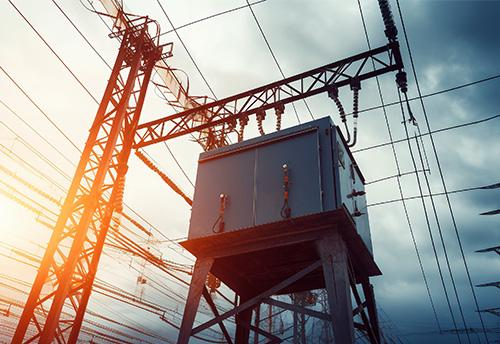
Rapid adoption of electric mobility requires substantial upgrades across urban power distribution grids and fast-charging networks. Ultra-fast charging stations draw massive surge currents, imposing extreme thermal strain on surrounding power delivery equipment. Implementing high-performance dry type transformer insulation safeguards vital grid infrastructure from heat-induced degradation.
Commercial charging hubs operate under dynamic load profiles, experiencing frequent demand spikes throughout peak travel hours. Step-down distribution units must process intense power surges while maintaining stable output voltages for fast-charging modules. Selecting high-grade dielectric barriers prevents sudden thermal breakdown during heavy utility demands.
Compact substation footprints in urban charging locations require advanced solid insulation materials with high thermal endurance. Modern dry type transformer insulation systems eliminate liquid coolants, offering safer operational profiles for publicly accessible installations. Superior thermal properties allow equipment to handle continuous electrical loads safely.
By supplying high-grade protective composites, Sui On Insulating supports equipment manufacturers in building resilient power distribution hardware. Understanding how advanced dielectric layers perform under intense load cycles enables our technical team to optimize barrier configurations, ensuring long-term grid reliability for expanding charging networks.
Thermal and Mechanical Advantages of Synthetic Aramid Barriers
Severe operating conditions inside fast-charging transformer cores require materials capable of surviving continuous high temperatures. Utilizing advanced Nomex® aramid paper provides exceptional breakdown strength and long-term thermal resistance under harsh duty cycles. Resilient synthetic papers preserve physical integrity even during prolonged thermal overloading.
Outdoor charging infrastructure faces aggressive environmental exposure, including ambient humidity, temperature swings, and atmospheric dust. Nomex® paper can absorb some ambient moisture, but densified grades retain a high proportion of their dielectric strength under humid conditions. High chemical compatibility protects active core components against airborne contaminants and industrial pollutants.
Exceptional physical toughness represents another critical requirement for high-density transformer coil construction. High-tensile Nomex® aramid laminates resist tearing and puncture during automated coil wrapping and assembly processes. Flexible sheet profiles conform tightly around copper windings without cracking along sharp magnetic core corners.
Our custom slitting and precision die-cutting services allow technical teams to integrate precision components directly into production lines. Clean edge profiles eliminate mechanical stress concentrations along winding borders. Accurate converting prevents surface flaws that could initiate localized electrical discharge during high-voltage operation.
Enhancing Fire Safety and Space Efficiency in Urban Hubs
Installing charging hubs in densely populated urban zones prioritizes strict fire safety and compact equipment footprints. Deploying premium Nomex® transformer insulation allows manufacturers to construct compact, flame-resistant dry-type units without liquid coolants. Flame-retardant solid barriers drastically reduce fire risks in underground parking structures and public plazas.
Spatial limitations at public charging hubs necessitate smaller, lightweight power conversion equipment with high energy density. Advanced Nomex® synthetic barriers deliver superior voltage breakdown strength within ultra-thin material profiles. Minimizing insulation thickness maximizes core slot fill ratios, enabling higher power ratings within compact enclosure dimensions.
Dynamic load shifts during simultaneous multi-vehicle fast charging generate sudden thermal surges inside transformer windings. High-temperature Nomex® transformer insulation handles rapid thermal fluctuations without structural embrittlement or dielectric decay. Robust thermal headroom protects internal copper windings against unexpected overload events during peak charging hours.
Vacuum pressure impregnation using thermosetting resin systems further enhances solid dielectric barrier performance in charging transformers. Resin-impregnated aramid sheets seal microscopic internal air voids, suppressing destructive partial discharge activity. Eliminating corona discharge prevents localized material erosion, ensuring stable electrical performance over decades of continuous operation.
Grid Resilience and Long-Term Operational Performance
Upgrading power distribution hardware with premium protective composites delivers substantial technical and economic benefits. Premium dielectric barriers improve impulse voltage withstand strength, shield against grid transients, and optimize heat transfer. These cumulative advantages extend asset longevity while reducing ongoing operational maintenance costs.
Efficient thermal dissipation prevents localized hot-spots from forming within densely wound transformer coil assemblies. High-performance aramid laminates rapidly transfer excess coil heat outward toward external cooling channels. Slowing down thermal aging rates preserves original mechanical flexibility and electrical insulation strength across thousands of operational hours.
High-voltage switching surges and harmonic distortion generated by fast-charging power electronics threaten coil barrier longevity. Durable synthetic films like Mylar® or Kapton® combined with aramid substrates provide exceptional transient protection. Absorbing voltage spikes prevents insulation puncture, maintaining unbroken power delivery for commercial charging operators.
Physical resilience enables solid slot liners to withstand repetitive mechanical expansion and contraction during thermal cycles. Flexible synthetic laminates resist physical fatigue, preventing internal coil movement from compromising phase-to-phase isolation over time. Maintaining structural cohesion ensures reliable energy transmission across demanding commercial duty cycles.
Strategic Insulation Engineering for Next-Generation Mobility
Selecting optimal dielectric composites requires balancing thermal class requirements, mechanical toughness, and manufacturing accuracy. Aligning material ratings with expected charging station duty profiles prevents premature equipment breakdown and lowers life-cycle costs. Precision converting guarantees uniform sheet thickness across large production runs for seamless factory assembly.
Partnering with Sui On Insulating gives charging equipment builders access to an extensive inventory of high-performance dielectric materials. Utilizing specialized Nomex® paper laminates, Mylar® films, and flexible composites optimizes transformer thermal safety margins. Our specialists assist engineering teams in tailoring ideal insulation structures for specific applications.
Investing in advanced dielectric protection safeguards EV charging infrastructure against sudden electrical breakdown and costly downtime. Specifying high-grade non-conductive barriers ensures long-term operational stability and maximum energy transfer efficiency. Our precision dielectric materials protect vital power distribution networks, driving the future of sustainable electric transportation.