


 HOME >
 Navigating Thermal Standards in Electric Motor Dielectric System Design
Industrial rotating equipment relies heavily on well-engineered thermal protection to prevent catastrophic winding failures during prolonged operation. Continuous voltage loads, high ambient room temperatures, and physical stress constantly strain the internal copper coil structures. Installing high-grade motor insulation prevents current leakage and ensures consistent electrical performance.
System survival hinges on choosing an appropriate motor insulation class rating for each specific motor application. Standardized thermal classifications establish strict maximum operational temperature boundaries for non-conductive materials. Choosing the correct rating preserves long-term physical integrity and prevents premature polymer matrix breakdown under continuous duty.
Matching specific operating temperatures with high-grade protective laminates shields vital motor components against premature burnouts. Demanding factory environments subject heavy machinery to severe voltage spikes and elevated internal heat. Specifying reliable dielectric materials maintains continuous mechanical output and safeguards critical plant infrastructure.
Through our production capabilities, Sui On Insulating delivers specialized composite barriers built for severe industrial environments. Understanding how thermal grades govern material longevity allows our technical team to supply optimized composite structures, ensuring extended motor operational life while preventing unexpected factory shutdowns.
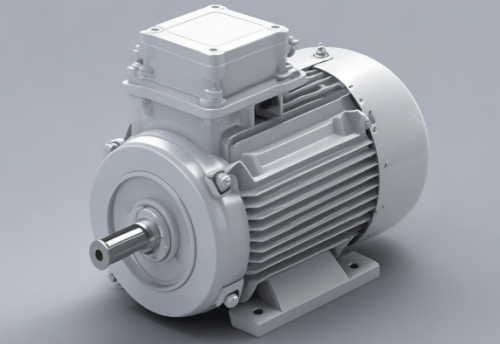
Key Temperature Classifications and Material Capabilities
International engineering guidelines group dielectric barriers into distinct thermal classes based on hot-spot endurance limits. Class B barriers withstand internal operating temperatures up to 130°C for standard industrial applications. Class F extends thermal capabilities to 155°C, serving as the standard baseline for heavy-duty commercial motors.
Demanding thermal environments necessitate Class H insulation is rated at 180°C, while applications requiring higher thermal endurance should use materials or insulation systems with the appropriate higher temperature rating. Incorporating NOMEX ® 410/710,Soflex ®NHN/NSN/NKN/NMN,PEEK,ultra-thin Mylar® polyester film or Kapton® polyimide film offers incredible breakdown strength despite limited core slot space. These advanced synthetic films preserve electrical isolation under severe thermal cycling.
Aramid substrates such as DuPont Nomex® paper serve as indispensable structural elements within high-temperature laminates. Blending flexible synthetic papers with heat-resistant resins produces remarkable mechanical puncture resistance and thermal stability. These durable composite sheets keep core slot liners fully intact during sudden power surges.
Our advanced converting and precision slitting capabilities allow manufacturers to receive custom-cut laminates ready for assembly lines. Smooth edge finishing eliminates mechanical stress points along complex winding paths. Clean fabrication prevents microscopic surface tears that could otherwise trigger dangerous electrical flashovers in high-voltage machinery.
Environmental Challenges and Operational Stress Factors
Determining the proper motor insulation class requires analyzing external factory conditions alongside internal heat generation. Excessive ambient room heat reduces allowable internal temperature margins within stator iron slots. Design engineers must select elevated thermal classes to withstand surrounding heat without compromising polymer layer stability.
Aggressive industrial pollutants, airborne lubricants, and high relative humidity rapidly degrade exposed electrical components. Chemical ingress forms conductive tracking channels across non-conductive barrier surfaces, increasing catastrophic failure risks. Deploying closed composite sheets seals copper conductors away from harsh industrial contaminants and atmospheric moisture.
Continuous physical vibration during motor startups subjects internal slot liners to constant mechanical friction. Loose copper coil wires rub against rigid core slot walls, wearing away thin protective coatings over time. High-tensile composite materials absorb continuous mechanical shocks, preventing physical wear from puncturing core isolation layers.
Utilizing resin-impregnated dielectric sheets fills tiny air pockets surrounding tightly wound stator coil turns. Ionized gas trapped in microscopic internal voids sparks harmful partial discharge, degrading organic bonding agents. Sealing air pockets suppresses corona formation, ensuring dependable electrical resistance over decades of continuous operation.
Operational Benefits of Expanded Thermal Safety Margins
Engineering electric equipment to run well below maximum rated temperatures creates an invaluable operational buffer. Building a motor with Class H materials while running at Class F operating levels significantly extends winding lifespan. Upgrading thermal limits shields sensitive internal components against sudden voltage fluctuations and temporary overload demands.
Rapid heat dissipation prevents destructive thermal accumulation within densely packed stator slot assemblies. Advanced composite laminates efficiently transfer excess heat from internal copper windings outward to frame fin structures. Reducing heat buildup slows thermal oxidation, preserving structural elasticity and dielectric puncture strength across extended service periods.
Robust non-conductive barriers allow industrial electric machinery to withstand steep voltage transients and power grid surges. Modern polymer films like Mylar® or Kapton® deliver outstanding impulse withstand capacity. Absorbing electrical spikes prevents sudden barrier punctures, maintaining unbroken factory output without unexpected power disruptions.
Exceptional physical flexibility enables slot liner sheets to bend smoothly around tight coil geometry without cracking. Tough composite laminates withstand severe dimensional expansion caused by repetitive heating cycles. Retaining physical cohesion prevents coil shift from compromising phase-to-phase electrical isolation during demanding duty cycles.
Selecting Practical Solutions for Heavy Industrial Machinery
Determining ideal composite configurations demands balanced consideration of temperature limits, mechanical durability, and slitting precision. Matching barrier specifications directly to expected motor operating stresses prevents early insulation degradation and minimizes system repair overhead. Consistent material thickness enables smooth, high-speed automated insertion during stator manufacturing.
Partnering with us gives equipment builders direct access to specialized dielectric inventory, including Mylar® polyester films, Nomex® aramid sheets, and high-dielectric mica tapes. Working alongside Sui On Insulating allows engineering groups to fine-tune slot fill ratios, maximizing both electrical isolation and heat transfer efficiency.
Specifying robust phase barriers secures industrial rotating assets against sudden dielectric breakdown and operational interruptions. Selecting the proper motor insulation class optimizes thermal endurance while maintaining peak electrical efficiency. Our engineered protective sheets safeguard essential factory drives, delivering reliable service across long operational lifecycles.