


 HOME >
As the global transition toward new energy vehicles accelerates, engineering teams face increasingly complex electrical challenges. One of the most persistent and damaging issues in high-voltage vehicle drive systems is partial discharge, often referred to as PD. Addressing this invisible threat is no longer optional; it is a fundamental requirement for vehicle reliability, safety, and longevity. As a leading manufacturer with four decades of deep involvement in the electrical insulation sector, we at Sui On Insulating understand the critical impact of these electrical stresses. We specialize in providing systematic material solutions for high-end manufacturing industries, particularly focusing on the intricate demands of modern vehicle power systems. In this article, we will explore the mechanisms behind partial discharge and discuss how high-quality automotive insulation can effectively mitigate these risks to ensure optimal motor performance.
Understanding Partial Discharge in High-Voltage Systems
Partial discharge is a localized electrical breakdown that occurs within the dielectric material or along its surface, partially bridging the gap between two conductors. In the context of modern electric motors and inverters, these discharges are often microscopic and undetectable to the naked eye. However, they are highly destructive over time. When a void or impurity exists within an insulating material, the electrical field concentrates in that specific area. If the localized voltage exceeds the breakdown strength of the air or gas inside the void, a small discharge occurs. Continuous partial discharge generates heat, ultraviolet radiation, and ozone, which progressively erode the surrounding dielectric materials. If left unresolved, this steady degradation will inevitably lead to a complete breakdown of the motor’s electrical systems, resulting in catastrophic failure and costly operational downtime.
The Impact of Inverter-Fed Motors on PD
The transition to high-efficiency vehicle architectures has introduced new operational stresses on electrical components. Today’s electric vehicles rely heavily on inverter-fed motors, which utilize pulse-width modulation to control speed and torque precisely. While pulse-width modulation provides excellent motor control, it also generates rapid voltage switching and significant high-frequency voltage spikes. These rapid changes in voltage distribution place an immense burden on the electrical components. The steep voltage gradients can easily exceed the partial discharge inception voltage threshold of conventional materials. Consequently, standard dielectric solutions that performed adequately in traditional industrial motors are often insufficient for the rigorous demands of modern vehicle systems. This necessitates a fundamental shift in material engineering, moving toward specialized automotive insulation designed specifically to withstand relentless high-frequency electrical stress and extreme thermal cycling environments.
Developing Resilient insulation for automotive Applications
To combat partial discharge effectively, engineers must select materials with superior dielectric strength, excellent thermal stability, and flawless structural integrity. The primary objective is to eliminate air voids and ensure a homogeneous dielectric layer capable of distributing the electrical field evenly. When evaluating robust insulation for automotive frameworks, thermal endurance is just as critical as electrical resistance. Electric vehicle motors operate in highly constrained environments where heat dissipation is inherently challenging. As operating temperatures rise, the dielectric strength of many materials naturally decreases, substantially increasing the likelihood of partial discharge events. Therefore, utilizing advanced composite materials that maintain their structural and performance characteristics under continuous, high-temperature exposure is absolutely vital for long-term reliability.
Key Material Solutions: Nomex®, Kapton®, and SOFLEX®
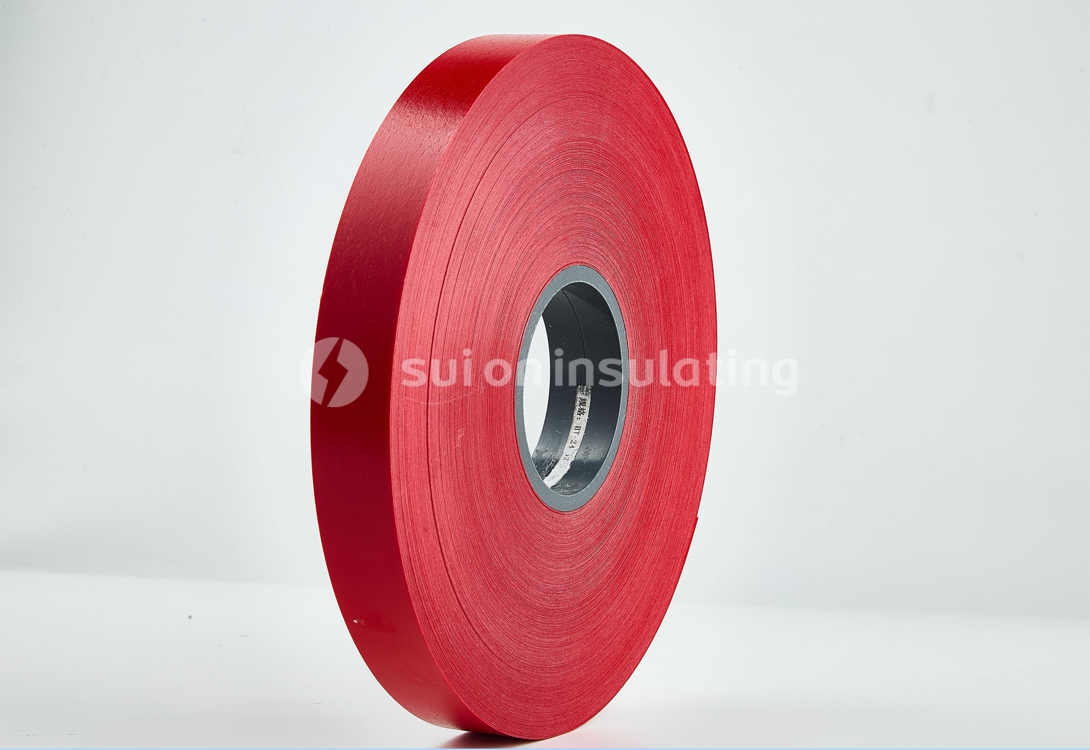
Addressing these stringent industry requirements demands advanced material science. For instance, Arclin(formerly DuPont) Nomex® stands out due to its exceptional tensile strength, remarkable tear resistance, and outstanding aging properties. It can maintain its structural integrity and performance even under long-term use at elevated temperatures reaching up to 220 degrees Celsius. This makes it highly effective in preventing the degradation associated with partial discharge. Similarly, Qnity(formerly DuPont) Kapton® offers exceptional thermal and electrical properties tailored for highly specialized and demanding applications.
Furthermore, we have developed our proprietary brand, SOFLEX®, which represents our premium line of composite and coated products. SOFLEX® products are UL certified and expertly combine the excellent properties of different baseline materials. They provide highly stable electrical insulation, impressive thermal adaptability, and robust mechanical strength for processing. Another staple in our portfolio is Mylar®, a highly versatile polyester film recognized for its excellent physical properties, long-term thermal aging resistance, and stable dimensions under high temperatures. Together, these elements form a comprehensive toolkit.
Why Choose Sui On Insulating as Your Material Partner?
As the demand for high-performance electric vehicles continues to surge globally, partnering with an experienced material manufacturer becomes a strategic imperative. We at Sui On Insulating pride ourselves on our 40 years of dedicated experience in the insulation industry, ensuring unparalleled quality assurance. We operate a highly responsive service model, offering quick delivery times and a rich, diverse product line tailored to the B2B sector. Our strong research and development capabilities, combined with our fully equipped testing and production facilities, allow us to provide comprehensive material solutions rather than just individual components. We serve a wide array of demanding industries, including power, energy, data centers, automotive, transformers, and electrical machinery. Our commitment to continuous innovation ensures we are equipped to support your engineering teams.
Conclusion
Mitigating the risks associated with partial discharge is a complex but necessary engineering challenge. By understanding the root causes of electrical degradation and implementing high-quality material strategies, manufacturers can significantly enhance the reliability and lifespan of electric motors. Whether dealing with voltage spikes from pulse-width modulation or continuous high-temperature operation, selecting the right dielectric barrier is critical for operational success. We at Sui On Insulating remain deeply committed to advancing material science and delivering solutions that meet these rigorous industry standards. By prioritizing robust engineering, the sector can continue to innovate securely. This allows manufacturers to meet evolving global demands with absolute confidence.