


 HOME >
Mylar vs. Nomex for Insulation: Key Differences Explained
Selecting an insulation material is rarely a simple matter of choosing the material with the highest temperature rating. We need to consider dielectric performance, mechanical strength, flexibility, moisture resistance, processing requirements, and the thermal conditions of the finished electrical system. Mylar® polyester film and Arclin (formerly DuPont) Nomex® aramid paper are both established insulation materials, but they serve different engineering priorities. Understanding those differences helps us select the right material for motors, transformers, generators, and other electrical equipment.
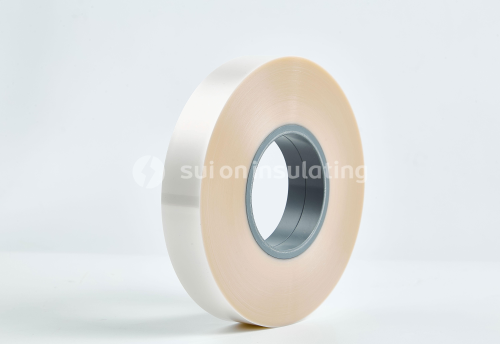
Mylar® Insulation: Flexible Polyester Film for Balanced Performance
Mylar® insulation is based on biaxially oriented polyethylene terephthalate (BOPET), a polyester film known for its combination of mechanical strength, dimensional stability, chemical resistance, and moisture resistance. Mylar® and Melinex® polyester films have been used in electrical insulation systems for decades, including applications in automotive, renewable energy, industrial equipment, and household electrical products.
It is a thin, flexible film that can be processed into insulation structures where space efficiency and mechanical durability matter. Mylar® products are PET polyester films first developed and industrialized by DuPont in the U.S.A.Mylar® and Melinex® are widely used in transformers, motors, generators, optics, photovoltaics, bus bars, and are used in large quantities in a variety of laminating and casing materials.
Nomex®: Higher Thermal Capability for Demanding Systems
Nomex® takes a different approach. Rather than being a polyester film, Nomex® electrical insulation is an aromatic polyamide material supplied in paper, pressboard, and related forms. Its most important distinction is thermal capability. Nomex® insulation materials are recognized for Class H applications, with a 220°C thermal class for applicable grades and systems.
Nomex® 410, for example, has been recognized as a 220°C insulation material by UL and other certification bodies. Arclin also reports useful electrical and mechanical property retention during long-term exposure at elevated temperatures.
Nomex® is particularly attractive when equipment operates under sustained high thermal stress. Motors, generators, transformers, and other equipment that experience significant heat loads may require an insulation system designed around higher thermal classes.
Comparing Thermal Performance and Electrical Insulation
The most obvious difference between Mylar® insulation and Nomex® is their thermal operating range. Sui On Insulating lists its Mylar® polyester film with a temperature resistance of 105–130°C, depending on the applicable product grade. The broader product description also identifies a temperature resistance range from -100°F to 300°F.
By comparison, applicable Nomex® electrical insulation is associated with a 220°C Class H rating. Arclin states that Nomex® products can maintain useful properties at temperatures up to 220°C for extended service, although actual performance depends on the specific grade and insulation system.
Electrical insulation performance also depends on thickness, construction, temperature, aging, and the complete insulation system. DuPont reports high dielectric strength for Mylar® A, while Nomex® papers provide strong dielectric performance alongside their high-temperature capability. Therefore, we shouldevaluate the electrical design rather than selecting materials from thermal ratings alone.
Mechanical and Environmental Considerations
Mylar® for insulation can be particularly useful when a thin, flexible, and mechanically robust film is required. Its resistance to moisture, chemicals, and common solvents supports applications where the insulation must withstand handling and manufacturing processes. Mylar® A is also used in slot insulation, phase insulation, wedges, and transformer insulation structures.
Nomex® offers a different mechanical profile. Its toughness, tear resistance, chemical compatibility, and thermal stability make it suitable for demanding electrical environments. Arclin also notes that Nomex® products retain useful properties under high humidity and at cryogenic temperatures, depending on the material type.
Mylar® and Nomex® in New Energy Vehicles
As electric and hybrid vehicles place greater demands on motors, battery systems, and compact electrical components, insulation materials must provide reliable electrical separation without adding unnecessary bulk. Mylar® polyester film can be considered for motor insulation, interlayer insulation, and protective barriers where flexibility, thin-gauge construction, and moisture resistance are important.
Nomex® can be valuable in vehicle components exposed to higher thermal stress, particularly where motor or power-electronics temperatures require greater thermal margin. The choice depends on component design, operating temperature, dielectric requirements, and manufacturing process, while some systems may combine polyester films with aramid materials.
Choosing Mylar® or Nomex® for the Application
We generally see Mylar® as a strong option when the design prioritizes flexible film construction, balanced mechanical and electrical properties, moisture resistance, and moderate thermal requirements. Its grades and thicknesses allow engineers to select a film for the required insulation structure.
Nomex® becomes more compelling when sustained high-temperature performance is a primary design requirement. Its Class H capability can provide a greater thermal margin for equipment exposed to significant operating heat. However, higher temperature capability does not automatically make Nomex® the better choice for every application.
The final decision should consider operating temperature, dielectric requirements, mechanical stress, available space, manufacturing method, chemical exposure, and applicable insulation-system standards. For some designs, engineers may even use different materials to achieve the desired combination of electrical, thermal, and mechanical performance.
Making the Right Insulation Decision
Mylar® insulation and Nomex® are not direct substitutes in every electrical application. Mylar® polyester film provides a valuable balance of flexibility, strength, electrical insulation, and environmental resistance, while Nomex® is distinguished by its high-temperature capability and suitability for Class H insulation systems.
At Sui On Insulating, we support material selection by offering Mylar® special film/Melinex® grades covering different thicknesses and performance requirements. Our listed products include Mylar® A, AHS1/KBS, EL, MO, 850, and other grades, with thicknesses ranging from 12 to 500 μm depending on the grade.
For engineers and purchasing teams, the best choice is therefore not simply the material with the highest rating. We recommend matching the insulation material to the actual thermal, electrical, mechanical, and manufacturing requirements of the equipment. That approach can help create a more reliable insulation system while avoiding unnecessary material costs or performance compromises.