


 HOME >
 Lightweight Automotive Insulation: Powering Next-Gen EVs
Next-generation automotive engineering prioritizes vehicle driving range extension through systematic mass reduction and superior energy efficiency. As electric powertrains rapidly replace conventional internal combustion engines, modern automotive insulation must deliver exceptional thermal resistance while minimizing total component weight across critical vehicle drive systems.
Heavy traditional damping foams and bulky acoustic barriers degrade battery efficiency and reduce overall driving distance. Replacing dense legacy shields with advanced ultra-thin composites allows automakers to optimize physical space within tight drive unit enclosures. Lightweight materials ensure maximum power density without compromising high safety standards.
Selecting lightweight car insulation material is essential for managing intense thermal energy generated by high-rpm electric traction motors. Compact stator slots demand thin dielectric sheets that resist high voltage while maintaining minimal weight, ensuring efficient heat dissipation across high-performance electric drive unit components.
Leading converting specialist Sui On Insulating supplies custom-engineered non-conductive barriers tailored specifically for advanced vehicle drive systems. Our precision manufacturing process provides automotive engineers with high-performance laminates that optimize thermal management while drastically cutting weight across next-generation electric vehicle platforms and drivetrain units.
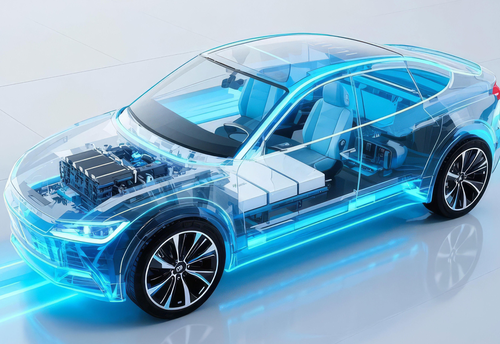
Advanced Polymer Substrates for Electric Vehicle Drive Systems
High-voltage battery packs and inverter power electronics generate significant heat, requiring advanced dielectric barriers during rapid vehicle acceleration. Synthetic aramid paper like DuPont Nomex® delivers high thermal endurance and flame resistance without adding unnecessary mass, making it ideal for compact electric powertrain insulation layers.
Integrating flexible Mylar® polyester film or heat-resistant Kapton® polyimide film offers high dielectric strength within ultra-thin profiles. These lightweight synthetic films protect delicate electrical circuits against high voltage spikes, preserving structural stability during continuous high-speed driving conditions across diverse global climate environments and temperatures.
Advanced Kevlar® aramid fiber composites provide exceptional mechanical toughness and vibration damping along intense powertrain pathways. Incorporating these resilient high-strength materials into automotive insulation layers prevents physical wear from engine movement, ensuring long-lasting physical integrity without increasing overall vehicle mass during long-distance travel.
Thermal Runaway Barriers and High-Temperature Dielectric Efficiency
Preventing catastrophic thermal runaway in lithium-ion battery modules requires specialized high-temperature barrier materials. Engineered car insulation material acts as a thermal shield between individual battery cells, suppressing rapid heat propagation and protecting adjacent modules during severe thermal overload events in high-energy battery packs.
Compact drive units generate high localized temperatures that threaten magnet wire coatings and internal sensors during operation. Deploying high-grade automotive insulation around rotor assemblies and power inverters transfers excess heat toward cooling channels, protecting sensitive electronics against thermal degradation during rapid vehicle acceleration cycles.
Engineers at Sui On Insulating convert high-performance dielectric sheets into custom die-cut insulators for motor slot liners and phase separators. Our precision slitting guarantees clean edge finishing, preventing physical tears during automated motor winding while maximizing thermal protection across complex electric motor assemblies.
Aerogel and Composite Laminates in Modern Automotive Engineering
Automakers constantly strive to extend battery driving range by replacing dense metal heat shields with flexible composite laminates. Multi-layer laminates combining lightweight aramid papers and polyimide films deliver superior thermal reflection while enabling substantial component‑level weight reduction in modern electric vehicles.
Optimizing stator slot fill density requires thin insulation materials that maximize copper conductor area within motor stators. Thin dielectric sheets transfer heat efficiently away from motor copper windings, improving overall electric motor efficiency while maintaining strict weight reduction targets across high-volume assembly lines.
Vibration resistance remains a key requirement for modern electric drive components subjected to continuous road impact forces. Resilient composite laminates absorb high-frequency mechanical vibrations, preventing layer friction from puncturing delicate insulation layers during extended high-mileage vehicle operation across rugged road surface conditions.
Replacing bulky traditional shielding materials with multi-functional dielectric composites lowers total manufacturing assembly costs significantly. Dual-purpose insulating materials provide simultaneous electrical breakdown protection and thermal barrier properties, streamlining vehicle assembly line production processes for major automotive original equipment manufacturers worldwide.
Strategic Lightweighting Solutions for Future Automotive Insulation
Designing future electric vehicles demands a balanced approach combining weight reduction, electrical safety, and thermal management. Selecting specialized non-conductive barriers tailored for vehicle drive systems ensures optimal performance across harsh operational environments without burdening overall platform weight or reducing driving energy efficiency.
Custom converting expertise from Sui On Insulating empowers automotive manufacturers to meet strict lightweighting and safety mandates effortlessly. Our specialized dielectric portfolio, including Nomex® paper, Mylar® film, and composite laminates, offers tailored thermal protection for next-generation electric vehicles and modern hybrid powertrains.
Sustained innovation in lightweight car insulation material will continue to drive electric vehicle efficiency and extended driving range. Deploying advanced composite barriers secures high-voltage drive components, ensuring reliable, high-performance transportation for the future of sustainable electric mobility across global automotive commercial markets.