


 HOME >
 Essential Strategies for Extending Heavy Equipment Lifespan Through Dielectric Barrier Design
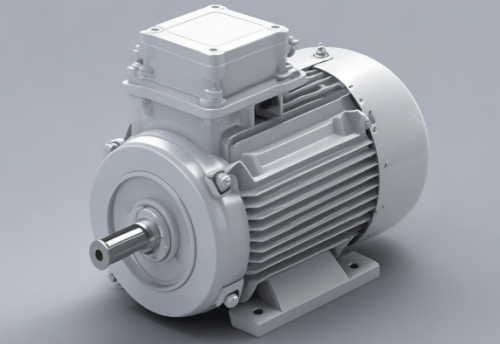
Industrial motors operate under continuous electrical, thermal, and physical stress during standard factory operations. High-voltage spikes, heavy mechanical vibration, and internal heat generation gradually wear down active electrical components. Without robust internal protection, copper windings suffer early degradation, leading to costly equipment downtime.
System reliability depends on high-performance barriers that prevent current leakage and short circuits inside stator slots. Installing premium motor insulation preserves phase-to-phase dielectric strength while facilitating effective heat dissipation. Superior non-conductive barriers prevent flashovers, enabling machinery to maintain peak operational output across demanding manufacturing environments.
Long-term operational endurance requires selecting materials engineered to withstand severe operating environments without cracking. Quality motor insulation materials offer exceptional dielectric resistance, high mechanical tear strength, and broad chemical compatibility. Incorporating specialized material formulations prevents premature aging caused by thermal cycling and persistent humidity.
By supplying high-grade protective composites, Sui On Insulating helps equipment manufacturers construct more resilient rotating machinery. Understanding how specialized dielectric layers function under real-world operating conditions empowers our engineering teams to optimize slot liner configurations, extending machine operational lifespans while minimizing unexpected system failures.
Advanced Dielectric Materials for Severe Industrial Environments
Modern electric motors rely on composite material structures designed to withstand intense environmental exposure. Combining flexible polymer films, synthetic aramid papers, and inorganic mica layers produces non-conductive sheets engineered for high-voltage isolation. These composite barriers safeguard sensitive copper conductors against extreme heat and mechanical strain.
Spatial constraints in high-efficiency motor slots necessitate exceptionally thin yet durable protective barriers. Utilizing advanced Mylar® polyester film or Kapton® polyimide film provides extraordinary breakdown strength within compact dimensions. Flexible polymer films isolate closely packed copper wire turns without taking up valuable core slot volume.
Thermal endurance represents a vital performance metric when engineering heavy-duty electric motors. Substrates like DuPont Nomex® aramid paper preserve physical integrity under continuous elevated temperature conditions. Integrating Nomex® paper with synthetic resin systems keeps motor slot liners stable during sudden voltage surges and severe overload events.
Our custom slitting and die-cutting options allow technical teams to integrate precision-cut components directly into production lines. Clean, burr-free edge profiles eliminate localized mechanical stress concentrations along winding borders. Accurate converting prevents surface defects that might otherwise initiate partial electrical discharge during high-voltage motor operation.
Degradation Factors Impacting Motor Insulation Systems
Thermal stress represents the primary cause of dielectric breakdown across heavy industrial equipment windings. Excessive heat accelerates chemical oxidation within organic insulation compounds, leading to embrittlement and micro-cracking over time. Cracked barriers permit current leakage, eventually causing direct phase-to-ground electrical short circuits inside motor slots.
Electrical degradation often stems from corona discharges taking place inside hidden microscopic air voids. High electric field concentrations ionize trapped gases, producing ozone and nitric acid that attack polymer bonds. Utilizing resin-impregnated motor insulation materials seals internal air pockets, effectively suppressing partial discharge activity during continuous operation.
Mechanical vibration during motor startup and variable speed operation subjects slot liners to persistent physical friction. Unprotected wire coils rub against iron core walls, wearing down outer protective wraps. High-tensile motor insulation materials absorb physical shocks, preventing abrasion from breaking through dielectric barriers over extended service lifetimes.
Chemical contamination from industrial lubricants, cutting fluids, and ambient humidity further threatens component longevity. Chemical ingress creates conductive tracking paths along non-conductive surfaces, accelerating flashover risks. Implementing closed composite barriers protects copper windings against aggressive environmental agents, ensuring stable dielectric performance across challenging settings.
Engineering Performance Benefits and Equipment Reliability
Upgrading internal protective barriers provides substantial financial and technical advantages for facility operators. High-grade dielectric barriers elevate motor overload capacity, minimize partial discharge risks, and improve thermal dissipation. These cumulative benefits translate into extended equipment longevity, enhanced energy efficiency, and reduced maintenance expense.
Efficient heat removal prevents localized thermal hotspots from forming within dense stator coil packs. Modern composite barriers efficiently transfer excess winding heat toward outer motor frame cooling fins. Preventing localized heat accumulation slows down thermal aging rates, preserving original mechanical flexibility and electrical breakdown strength for decades.
Durable dielectric protection allows industrial motors to withstand unexpected electrical transients and grid voltage fluctuations. High-quality synthetic films like Mylar® or Kapton® deliver superior impulse voltage withstand strength. Absorbing brief voltage spikes prevents insulation puncture, keeping critical manufacturing equipment operating smoothly without line shutdowns.
Physical flexibility allows slot insulation sheets to conform smoothly to complex coil contours without tearing. Resilient synthetic laminates withstand severe mechanical expansion and contraction caused by repetitive thermal cycling. Maintaining structural cohesion prevents internal coil movement from compromising phase-to-phase isolation across thousands of operating hours.
Selection Criteria for Long-Term Dielectric Protection
Choosing optimal protective composites requires balancing thermal class requirements, mechanical toughness, and manufacturing accuracy. Matching insulation ratings to expected motor operating temperatures prevents premature material breakdown. Precision converting ensures consistent sheet thickness and defect-free surfaces, ensuring seamless integration into automated motor winding lines.
Partnering with Sui On Insulating gives machinery builders access to an extensive inventory of high-performance dielectric products. Utilizing specialized Mylar® films, Nomex® laminates, and mica tapes optimizes slot fill ratios and safety margins. Our specialists help design teams select ideal composite structures for specific motor requirements.
Investing in premium protective barriers safeguards heavy machinery against sudden electrical breakdown and operational downtime. Selecting high-grade motor insulation materials ensures long-term operational stability and maximum motor energy output. Our precision dielectric materials protect vital power infrastructure, delivering decades of dependable industrial performance.