


 HOME >
Essential Protection: Why High-Voltage Systems Depend on Advanced Transformer Insulation Solutions
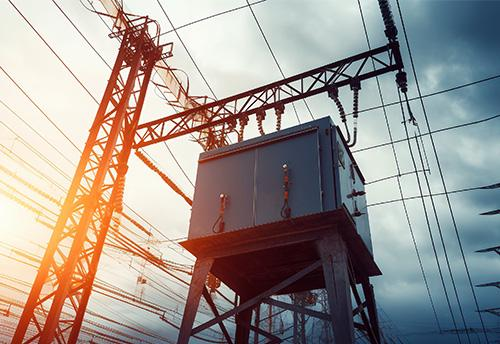
Modern utility grids step up electrical potentials to extreme kilovolt levels to minimize transmission energy losses across long distances. These elevated operating voltages create intense electrostatic fields that relentlessly challenge internal magnetic coils. Deploying specialized transformer insulation solutions remains vital to prevent sudden dielectric breakdown.
Sustained high potential differences across adjacent copper windings generate strong electric field gradients inside core assemblies. Unprotected conductors risk developing microscopic discharge channels, causing destructive internal arcing and progressive insulation treeing over time. Integrating engineered barrier laminates mitigates these voltage risks, preserving critical grid transformer health.
Commercial facilities increasingly favor solid-state power distribution hardware over traditional oil-filled equipment due to strict environmental safety mandates. Incorporating advanced dry type transformer insulation provides robust electrical containment without risking toxic fluid leaks or severe environmental contamination. These solid barriers enable safe, low-maintenance high-voltage equipment operation.
Engineers working alongside Sui On Insulating create specialized multi-layer composite structures engineered to handle demanding high-voltage application requirements. Our custom converting capabilities enable transformer manufacturers to integrate custom-fitted non-conductive barriers, protecting critical utility transformers from operational degradation and extending total equipment longevity.
Advanced Dielectric Materials for High-Voltage Applications
Managing high electric field intensity demands sophisticated dielectric materials engineered for maximum dielectric breakdown strength under load. Utilizing high-performance aramid papers such as DuPont Nomex® offers exceptional resistance against continuous voltage stress and elevated operating temperatures. Resilient synthetic substrates maintain electrical resistance during grid fluctuations.
Space-constrained transformer core slots require thin protective films offering impressive dielectric strength per unit thickness. Combining Mylar® polyester film or Kapton® polyimide film with flexible paper substrates creates high-density composite barriers. These thin dielectric shields fit tightly into magnetic slot cavities without sacrificing impulse withstand capability.
Aggressive high-voltage operations accelerate chemical oxidation and surface tracking when exposed to atmospheric moisture or industrial vapors. Nomex® aramid fibrous structures exhibit good moisture insensitivity, helping to retain high surface resistivity across varying environmental‑humidity conditions. Preventing moisture absorption eliminates surface tracking paths, ensuring consistent phase isolation.
Subtle material defects or rough edge cuts can concentrate electric fields, sparking localized corona discharge along coil margins. Precision custom slitting and die-cutting from Sui On Insulating yield clean, burr-free edges that eliminate physical stress points. Minimum width:2.3mm, Cut thickness:0.012~3mm, Cutting accuracy:±0.05mm. Flawless fabrication safeguards high-voltage windings against early corona degradation.
Mitigating Transient Surges and Partial Discharge Failures
Grid switching events and atmospheric lightning strikes introduce steep transient voltage spikes into high-voltage distribution systems. High-performance transformer insulation solutions absorb these rapid impulse surges without suffering physical dielectric puncture. Superior impulse withstand ratings keep high-voltage transformers operational despite unpredictable power distribution anomalies.
Inadequate resin impregnation leaves microscopic air pockets inside high-voltage transformer windings, triggering destructive corona activity. Utilizing specialized dry type transformer insulation during vacuum pressure impregnation ensures helps achieve thorough void filling throughout coil layers. Eliminating internal air cavities suppresses partial discharge, extending transformer operational life significantly.
Severe short-circuit currents generate massive electromagnetic repulsive forces that mechanically flex internal transformer coil structures. High-tensile composite slot liners provide strong mechanical stabilization, preventing physical friction from rubbing through thin insulating layers. Physical toughness preserves phase-to-phase separation during intense electromagnetic disturbance events in power grids.
High-voltage installations in high-rise buildings and underground substations demand strictly non-flammable insulation materials. Thermally stable synthetic barriers feature self-extinguishing properties that prevent fire propagation during unexpected electrical faults. Solid-state insulation systems enhance facility safety while fulfilling rigorous municipal fire standards across crowded urban areas.
Operational Advantages of High Thermal Safety Margins
Designing high-voltage equipment with generous thermal headroom provides a critical safety buffer against unexpected grid overloads. Utilizing Class H composite barriers while operating transformers at Class F temperature limits dramatically decelerates thermal aging. Built-in thermal safety margins protect sensitive magnet wire from heat-induced insulation degradation.
Efficient internal heat transfer prevents localized thermal hot spots from forming deep within dense high-voltage winding packs. Advanced aramid laminates conduct excess thermal energy efficiently outward toward primary air cooling channels. Rapid heat dissipation preserves material flexibility, preventing brittle cracking in primary dielectric barriers.
Daily power demand fluctuations subject high-voltage transformers to continuous expansion and contraction thermal cycles. High-flexibility synthetic barriers absorb dimensional shifts without delaminating or developing micro-cracks along tight coil bends. Retaining structural cohesion ensures long-term electrical isolation during decades of demanding cyclic grid service.
Investing in specialized dielectric barriers yields substantial economic returns by reducing unscheduled grid maintenance and power interruptions. Premium insulating materials protect expensive copper windings and magnetic cores from premature failure. Long-lasting dielectric performance maximizes transformer operational efficiency throughout extended service lifecycles across utility networks.
Strategic Insulation Engineering for High-Voltage Networks
Specifying high-voltage dielectric components requires evaluating voltage withstand limits, mechanical strength, and thermal ratings together. Matching material characteristics precisely to anticipated grid conditions prevents early insulation breakdown and operational downtime. Uniform material quality guarantees seamless integration into automated transformer winding and converting workflows.
Machinery builders benefit from partnering with Sui On Insulating to access a broad spectrum of engineered dielectric solutions. Incorporating specialized Nomex® aramid papers, Mylar® polyester films, and mica composites optimizes slot fill density and thermal margins. Our engineering specialists assist clients in selecting ideal composite barrier configurations.
Deploying engineered protective laminates protects high-voltage distribution networks against unexpected electrical short circuits and catastrophic breakdowns. Specifying high-grade transformer insulation solutions guarantees long-term grid resilience and optimal power transmission reliability. Our precision converted dielectric components deliver dependable performance across critical energy infrastructure.