


 HOME >
As we advance through 2026, the industrial sector is seeing a radical transformation in electrical drive system design. To achieve higher power densities and improved thermal management, especially in high-performance electric vehicles (EVs), robotics, and high-speed rail, many manufacturers are shifting from traditional air cooling to direct oil-cooling architectures. By utilizing synthetic dielectric oils to contact heat-generating components directly, engineers can significantly enhance heat extraction, allowing motors to operate at higher loads without increasing physical size. However, this shift introduces a critical engineering challenge: the chemical compatibility between the motor insulation system and the circulating cooling fluid. At Sui On Insulating, we have spent over 40 years deeply cultivating expertise in electrical material systems. We understand that in an oil-cooled environment, the insulation system is no longer just a barrier; it is a component that must actively survive a chemically aggressive and thermally volatile lifecycle.
The Engineering Challenge: Insulation in an Oil-Cooled Environment
In traditional air-cooled motors, the motor insulation is primarily exposed to atmospheric oxygen, humidity, and varying ambient temperatures. In direct-oil-cooled systems, these same materials are continuously immersed in a circulating fluid, often composed of synthetic esters or specialized polyalphaolefins (PAO). While these synthetic oils offer excellent thermal conductivity and dielectric properties, their chemical composition can pose significant risks to improperly specified insulation materials.
We have observed that over prolonged operation, the combined effect of thermal and electrical stress causes fluid degradation, which often leads to the formation of organic acids and oxidation by-products. If the insulation system is not chemically inert, these by-products can cause swelling, delamination, or embrittlement of the slot liners, phase separators, and conductor coatings. Once the physical integrity of the material is compromised, the dielectric strength drops, inevitably leading to partial discharge and localized shorts. For our B2B partners, avoiding these failure modes requires moving beyond standard material grades and selecting high-performance components that have been validated for chemical compatibility.
Selecting Compatible motor insulation materials
When designing for direct-oil-cooled environments, material selection is the primary safeguard against system failure. At Sui On Insulating, we emphasize the use of highly stable synthetic substrates that are resistant to swelling and chemical interaction with modern cooling additives.
The industry benchmark for thermal and chemical stability remains Arclin(formerly DuPont)® Nomex®. Unlike lower-grade generic aramid or cellulose materials, Arclin(formerly DuPont)® Nomex® is exceptionally inert. It is essentially unaffected by most solvents, acids, and alkalis, and it demonstrates outstanding compatibility with all classes of modern synthetic transformer and lubricating fluids. Because it does not soften or swell when immersed, it maintains the structural integrity of the winding structure even under the aggressive mechanical vibration common in high-load industrial motor operation.
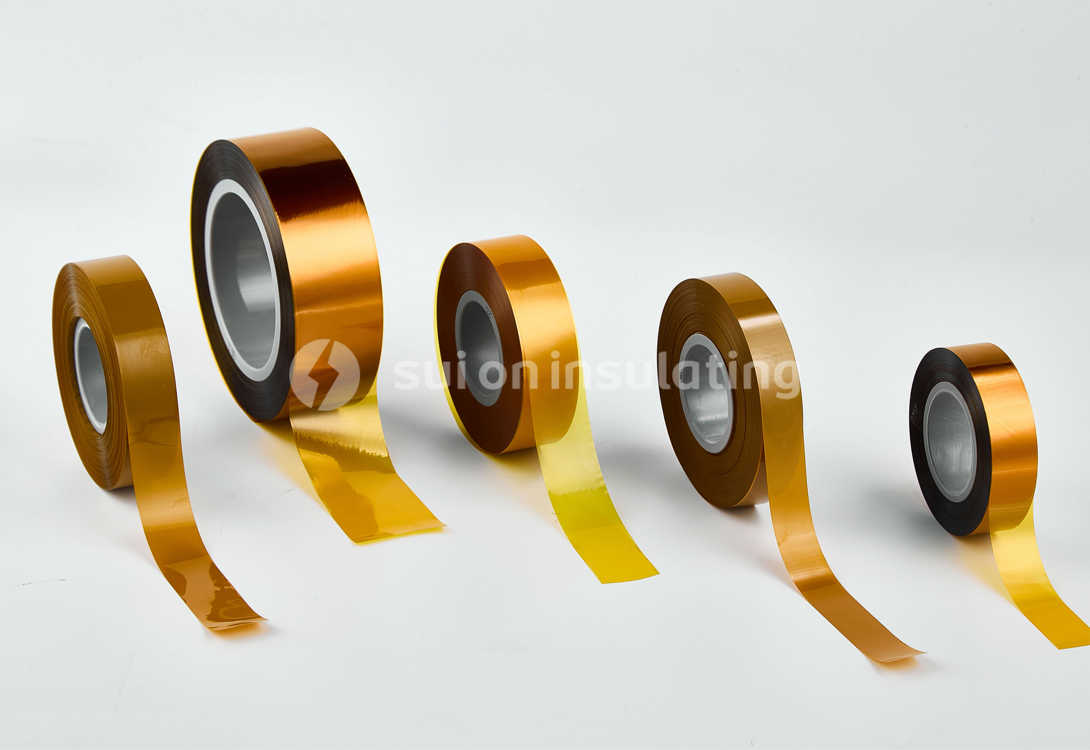
For even more demanding dielectric requirements, we often integrate Qnity(formerly DuPont)® Kapton® polyimide film into the system design. Qnity(formerly DuPont)® Kapton® is widely recognized for its superior thermal endurance—retaining its properties continuously between 200°C and 240°C—and its excellent resistance to the chemical attack of synthetic esters. When combined with other high-performance materials in our proprietary, UL-certified SOFLEX® composite laminates, it provides a robust, chemically stable barrier that maximizes copper fill factor while minimizing the risk of degradation from fluid additives.
Professional Design Strategies for Modern Motors
Achieving reliability is not just about choosing the right material; it is about how these materials are integrated into the total motor insulation materials structure. A frequent point of failure in direct-oil-cooled motors is the transition area between windings and the slot liner, where complex geometries can trap fluid and lead to localized chemical concentration.
At Sui On Insulating, our R&D team works closely with our industrial clients to engineer system-level solutions. We utilize advanced manufacturing techniques to ensure our SOFLEX® composites remain free of microscopic voids, preventing the ingress of cooling oils that could accelerate material aging. By leveraging our state-of-the-art production facility, which is fully certified to ISO 9001, ISO 14001, and IATF 16949 standards, we ensure that every batch of material delivered offers consistent quality and predictable behavior under fluid immersion.
Furthermore, we prioritize the use of additives-aware testing. We understand that cooling fluids are rarely pure; they contain anti-wear agents, detergents, and antioxidants that can behave differently at the high temperatures (often exceeding 150°C) found in high-performance motors. By collaborating with fluid manufacturers, our engineering department ensures that the insulation systems we recommend are fully compatible with the specific additive packages identified for our clients’ unique applications.
Conclusion: Engineering for Longevity
As we push the boundaries of electrical motor performance, the compatibility between the insulation system and the cooling environment will remain a defining factor in product reliability. Generic or improperly specified motor insulation materials are simply not designed for the chemical and thermal pressures of modern direct-oil-cooled architectures. To minimize warranty risks and protect your brand’s reputation in the field, precision material selection is mandatory.
At Sui On Insulating, we are dedicated to providing our global B2B partners with the specialized insulation knowledge and material support required to succeed in this new era of high-power density design. Our technical team is ready to evaluate your specific cooling fluid chemistry and suggest a material stack that ensures your motors achieve their design life, even under the most demanding duty cycles. Partner with us to engineer a more reliable, efficient, and robust future for your electrical drive systems.