


 HOME >
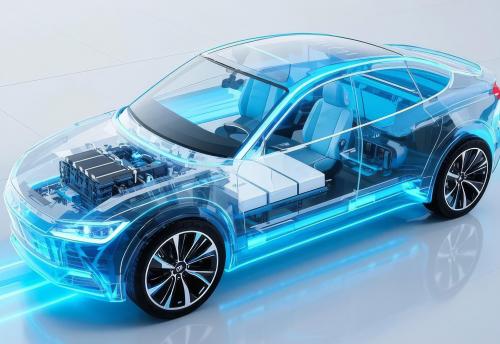
Rising adoption of high-efficiency electric vehicles has significantly increased the performance requirements for automotive insulation systems used in drive motors. Hairpin winding technology, known for its high slot fill factor and improved thermal efficiency, places even greater stress on electrical and thermal protection layers. As a result, selecting the right car insulation material has become a critical engineering decision for OEMs and motor designers.
At Sui On Insulating, we are a national high-tech enterprise specializing in the R&D, production, and global supply of advanced insulating materials. Our portfolio covers Nomex® aramid paper, polyimide films, SOFLEX® NSN composite paper, and PEEK-based solutions, enabling us to deliver comprehensive automotive insulation systems for modern vehicle drive platforms. We continuously support innovation in EV motor technologies through rapid material development and application engineering.
Material Requirements for Hairpin Motor Winding Structures
Hairpin motor windings demand car insulation material that can withstand tight geometries, high slot fill pressure, and continuous thermal cycling. Unlike traditional round-wire motors, hairpin structures require precise insulation layering to prevent electrical leakage and mechanical abrasion.
In this context, automotive insulation must provide excellent dielectric strength while maintaining flexibility for forming and bending processes. Materials such as Nomex® aramid paper and polyimide films are widely used because they offer strong thermal resistance and mechanical stability. We focus on optimizing car insulation material combinations that ensure both manufacturability and long-term operational reliability in compact motor designs.
High-Voltage Performance Challenges in EV Drive Systems
The shift toward 800V platforms and oil-cooled motor architectures has intensified performance requirements for automotive insulation. Partial discharge resistance, chemical compatibility with ATF fluids, and high thermal conductivity are now essential benchmarks for car insulation material used in hairpin windings.
At Sui On Insulating, we develop advanced composite solutions such as SOFLEX® NSN and PEEK-based materials to address these challenges. Our automotive insulation systems are engineered to maintain stability under high-speed rotation and aggressive thermal environments. By integrating multi-layer structures, we help OEMs reduce insulation degradation and extend motor service life even under extreme operating conditions.
Engineering Optimization Through Advanced Material Selection
Efficient motor design increasingly depends on selecting the right car insulation material for each functional layer of the winding system. From slot liners to phase insulation and inter-turn barriers, each component requires tailored performance characteristics.
We work closely with customers to co-develop automotive insulation solutions that balance cost, durability, and manufacturability. Our engineering team evaluates thermal load distribution, voltage stress points, and mechanical constraints to recommend optimized material stacks. This system-level approach ensures that car insulation material not only meets technical requirements but also supports scalable mass production for EV manufacturers.
Driving Reliability in Next-Generation EV Motor Platforms
As hairpin motor technology continues to evolve, the role of automotive insulation becomes even more central to performance and safety. High-voltage systems demand smarter, more resilient car insulation material solutions that can adapt to complex operating environments.
At Sui On Insulating, we remain committed to advancing insulation innovation for global EV drive systems. By combining material science expertise with application-driven development, we provide OEM partners with reliable automotive insulation solutions that enhance motor efficiency, safety, and long-term stability in the rapidly growing new energy vehicle market.