


 HOME >
In the automotive industry, the choice of insulation materials significantly impacts vehicle performance, comfort, and safety. As technological advancements drive the production of new energy vehicles, the need for effective automotive insulation has never been more critical. This article compares modern car insulation solutions with traditional materials, focusing on their effectiveness in noise reduction, thermal management, and electrical safety. By understanding these differences, businesses can make informed decisions to enhance vehicle design and performance.
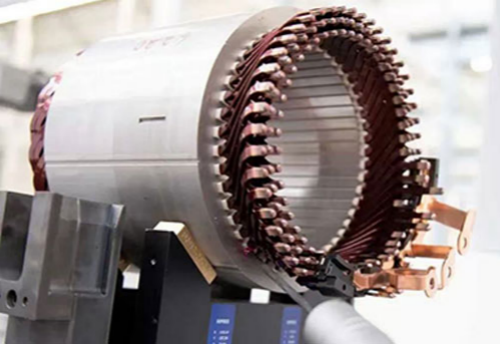
Noise Reduction Efficiency
One of the primary functions of car insulation is to manage sound levels within the vehicle cabin. Traditional insulation materials such as fiberglass and foam have been the go-to options for reducing noise. However, they often fall short in performance when compared to specialized automotive insulation solutions.
Modern automotive insulation techniques use advanced materials like acoustic barriers and sound-deadening mats, which provide superior soundproofing capabilities. These materials are specifically engineered to absorb and dissipate sound waves effectively, leading to a quieter driving experience. In contrast, traditional materials may compress over time and lose their effectiveness, resulting in inadequate noise control.
For manufacturers aiming to improve passenger comfort, adopting advanced car insulation materials can lead to a significant reduction in cabin noise, enhancing the overall driving experience and adding value to the vehicle.
Thermal Management Capabilities
Effective thermal management is crucial in modern vehicles, especially with the increasing use of electric drivetrains. Traditional insulation materials often struggle to maintain optimal temperature levels within the vehicle. Fiberglass, for instance, is less effective at handling extreme temperatures and can degrade over time, leading to thermal inefficiency.
In comparison, modern automotive insulation materials, such as under-hood insulation and heat shields, are designed to withstand high temperatures and provide better thermal resistance. These high-performance materials effectively isolate heat sources, protecting sensitive components and improving overall vehicle efficiency.
By utilizing advanced car insulation solutions, manufacturers can enhance the thermal comfort of the cabin while optimizing energy consumption, essential for electric and hybrid vehicles. This not only contributes to passenger comfort but also extends the life of critical vehicle components.
Electrical Safety and Performance
As vehicles integrate more electronic components, electrical insulation becomes a critical consideration. Traditional insulation materials may not provide adequate protection against electrical failures and short circuits. For instance, materials that absorb moisture can compromise electrical safety, posing a risk for component damage or failure.
Modern automotive insulation materials are engineered for superior breakdown voltage performance and moisture resistance. Materials like NOMEX® aramid paper and polyimide film offer excellent electrical insulation properties, ensuring safety and reliability in high-voltage systems. These materials are essential in preventing electrical faults, especially in new energy vehicles where motors and electronics play a vital role.
Investing in high-quality car insulation can significantly enhance the safety and reliability of automotive electrical systems. This is particularly important for manufacturers seeking to innovate and drive the green transformation of the industry.
Elevating Automotive Standards with Sui On Insulating
In summary, the performance comparison between modern automotive insulation materials and traditional options highlights the critical improvements in noise reduction, thermal management, and electrical safety. As the automotive industry continues to evolve, the choice of effective car insulation will play a pivotal role in enhancing vehicle performance and consumer satisfaction.
At Sui On Insulating, we are dedicated to providing high-quality insulation solutions that meet the dynamic needs of the automotive industry. Our advanced insulation materials are designed to support the technological innovations driving the green transformation of vehicles. With a commitment to quality and performance, Sui On Insulating stands ready to partner with manufacturers seeking to elevate their automotive offerings. Choose Sui On Insulating for your automotive insulation needs, and together we can drive the future of automotive excellence.