


 HOME >
When it comes to insulation materials for transformers, selecting the right option is crucial for ensuring efficiency and lifespan. Two popular choices in this arena are Kapton® material and PEEK (Polyether Ether Ketone). Each offers unique properties that cater to different operational needs in electrical environments.
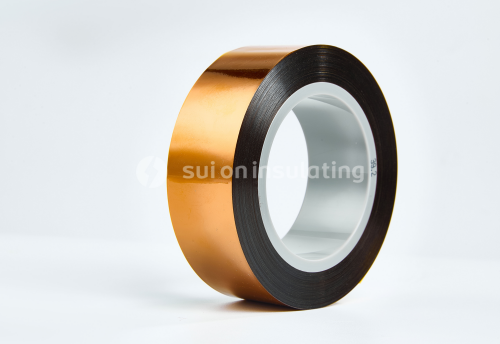
An Introduction to Kapton® Fabric
The high-performance polyimide film known as Kapton®, and more especially DuPont Kapton® FN films, is famous for its outstanding electrical, chemical, and thermal insulation qualities. Withstanding temperatures of up to 240°C, Kapton® materials function admirably in hot climates. Due to its exceptional heat dissipation properties, Kapton® is well suited for use in transformers.
In addition to protecting transformers from a broad variety of working circumstances, Kapton® film is very resistant to moisture and a number of chemicals. Coatings of Teflon® FEP fluoropolymer are common throughout its manufacture, which increases its resistance to electrical discharges and prolongs its lifespan. Electrical equipment may be efficiently shielded against partial discharges that might cause insulation breakdown by using Kapton® material, thanks to its unique mix of properties.
Thanks to its chemical and heat resistance, Kapton® is also lightweight and flexible, making it easier to include into transformer designs and making good use of limited space. Because of this, many manufacturers choose Kapton® as their transformer insulating material.
Exploring PEEK Properties
PEEK is another advanced polymer known for its excellent mechanical and thermal properties. Able to withstand continuous temperatures up to 240°C, PEEK is effective in environments where high heat and stress are prevalent. Its mechanical strength is significantly higher than that of many other insulating materials, which can be advantageous for heavy-duty applications.
One of PEEK’s defining characteristics is its outstanding chemical resistance, which makes it an excellent choice for transformers operating in harsh environments. Additionally, PEEK exhibits low flammability, offering an added layer of safety. However, it is generally heavier and less flexible than Kapton film, which could limit its applications in designs requiring compactness or ease of installation.
In terms of electrical insulation, PEEK provides robust performance but may not mitigate electrical discharges as effectively as Kapton® materials. While it is a durable choice for demanding environments, transformers might face challenges regarding electrical insulation under certain conditions.
Analyzing Performance in Transformer Applications
Choosing between Kapton® material and PEEK for transformer insulation involves weighing their respective advantages and limitations. Kapton® film excels in high-temperature environments, exhibiting superior electrical insulation properties that protect against partial discharges—a vital consideration for transformer longevity.
On the other hand, while PEEK offers high thermal resistance and mechanical strength, it may not provide the same level of electrical insulation as Kapton® film. For transformers that require lightweight and flexible insulating materials, Kapton® material often proves to be the better choice. It effectively protects against breakdown while ensuring that design constraints are met.
Ultimately, the decision should be guided by the specific requirements of the transformer being designed, including temperature, environmental factors, and space limitations.
Selecting Sui On Insulating for Your Transformer Needs
In summary, both Kapton® film and PEEK offer unique benefits for transformer insulation, but Kapton® material often stands out in terms of high electrical insulation performance and flexibility. Businesses looking for an effective insulating solution should carefully consider their application needs.
At Sui On Insulating, we provide a range of high-quality Kapton® materials tailored to meet the stringent demands of various industries. Our expertise and commitment to excellent customer service ensure that you receive the best solutions for your transformer insulation needs. Choose Sui On Insulating for your Kapton® film requirements and enhance the reliability and longevity of your electrical equipment. Together, we can drive innovation in your industrial applications and ensure sustained operational excellence.