


 HOME >
The rapid global transition toward high-voltage electrical architectures in new energy vehicles places unprecedented performance demands on modern traction motors. As operating voltages climb to 800V and beyond to enable ultra-fast charging capabilities, the dielectric materials wrapping and shielding vital motor components face harsher environments than ever before. Choosing the appropriate dielectric components is no longer just a routine checkbox in the production pipeline; it is a critical engineering decision that directly dictates vehicle efficiency, thermal endurance, and long-term mechanical longevity. At Sui On Insulating, we have spent four decades providing robust, systematic material solutions to high-end manufacturing industries globally. For B2B procurement managers and automotive systems engineers, identifying the perfect car insulation material requires balancing electric breakdown limits, thermal thresholds, and mechanical processing stability. In this article, we outline the vital parameters that guide this selection process to optimize modern vehicle drive systems.
Primary Factors in Evaluating automotive insulation
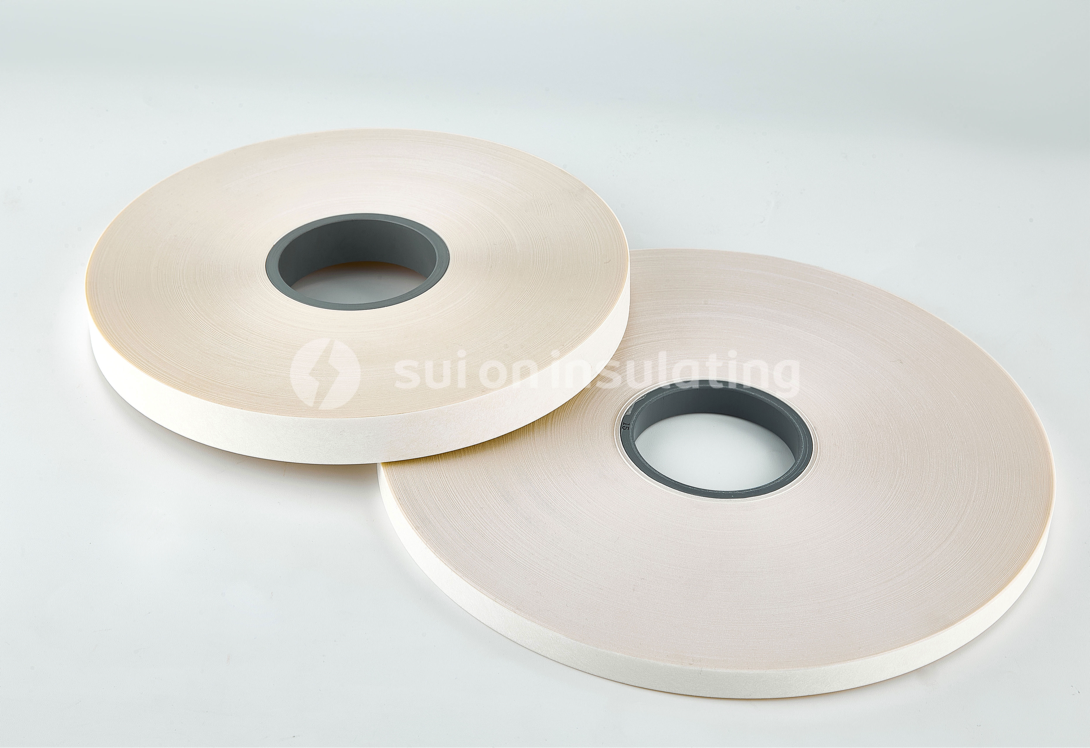
When reviewing potential materials for high-efficiency vehicle drive motors, engineers must thoroughly evaluate three primary vectors: thermal rating, dielectric strength, and chemical or environmental resistance. Traction motors undergo rapid acceleration and intense braking cycles, generating massive internal thermal spikes within the compact core. Standard materials degrade rapidly under continuous thermal cycling, meaning a premium car insulation material must possess a high continuous operating temperature rating. For instance, materials operating safely at 155°C or even up to 220°C prevent premature aging and catastrophic insulation breakdowns. Furthermore, the rapid voltage rise times (dv/dt) caused by modern high-frequency pulse-width modulation inverters generate severe electrical stresses that can lead to destructive partial discharge. Therefore, a superior dielectric barrier must feature high partial discharge inception voltages to protect the copper windings from localized corona damage and premature system failure.
Mechanical robustness during the automated manufacturing and assembly phase is another non-negotiable metric for high-volume production lines. During the automated winding and insertion of stators, materials undergo significant tensile stress, scraping, and intense folding or flexing. If a dielectric film cracks or tears under mechanical pressure, its electrical performance drops immediately, causing immediate production line failures or latent field defects that compromise brand reputation. Our comprehensive material lineup focuses heavily on ensuring excellent tensile strength and physical durability. By selecting automotive insulation options with optimized elongation properties and tear resistance, manufacturers can achieve maximum efficiency on automated assembly lines, minimize material waste, and guarantee long-term operational safety.
Leveraging Advanced Engineered Materials
Selecting the ideal insulation configuration often involves utilizing specialized, high-performance polymers and custom composites engineered for harsh environments. For applications demanding the highest thermal and physical integrity, Arclin(formerly DuPont) Nomex® is widely considered an industry standard across the global marketplace. Nomex® delivers superb tensile strength, excellent tear resistance, and outstanding thermal aging properties, retaining its structural and electrical integrity even during long-term exposure to temperatures up to 220°C. For tight spaces requiring thin profiles with elite dielectric performance, Qnity(formerly DuPont) Kapton® polyimide film offers high dimensional stability and electrical insulation across extreme thermal envelopes, ensuring no deformation occurs under high stress.
However, complex motor designs frequently require tailored performance attributes that single-layer materials cannot satisfy on their own. To address this, we developed our proprietary registered brand, SOFLEX®, which consists of expert composite and coated material options. These SOFLEX® solutions are fully UL certified and carefully integrate the individual strengths of disparate baseline materials into unified, multi-layer laminates. These products exhibit highly stable electrical insulation capabilities, superb thermal adaptability, and the rigorous mechanical processing strength needed for complex slot liners and phase insulation. Additionally, Mylar® polyester films provide excellent physical, chemical, and electrical properties with reliable dimensional stability and low thermal shrinkage up to 155°C, providing a highly cost-effective yet resilient option for various motor architectures.
Strategic Supply and B2B Collaboration
In the highly competitive commercial landscape, selecting the right material is only half the battle; partnering with an agile, competent supplier is equally critical. At Sui On Insulating, we understand that B2B clients operate on strict timelines and demand unwavering quality assurance. With 40 years of profound expertise deeply rooted in the insulation industry, we offer quick delivery turnarounds, highly responsive service matching, and a diverse product portfolio. Our extensive research and development framework, alongside advanced testing and production equipment, allows us to deliver optimized systemic material solutions tailored to the unique requirements of the power, energy, data center, transformer, and automotive industries. Rather than navigating broad, generic listings, our partners benefit from tailored assistance that helps align complex technical charts directly with their operational targets.
Conclusion
Determining the ideal dielectric solution for modern traction motors is a foundational pillar of electric vehicle engineering. By analyzing thermal endurance, partial discharge resistance, and manufacturing tensile strengths, engineering teams can secure peak performance over the vehicle’s lifespan. Utilizing advanced options like Nomex®, Kapton®, Mylar®, or our specialized SOFLEX® composite lines allows design teams to overcome traditional design limits. We at Sui On Insulating remain dedicated to advancing these technical frontiers, serving as a trusted, expert partner to help businesses build safer, more reliable transportation technologies for the future.