


 HOME >
Electric motor performance and longevity are heavily influenced by the type of insulation used. At Sui On Insulating, we understand that selecting the right electric motor insulation material is crucial for maintaining efficiency and reliability across various industrial applications. From automotive systems to data center machinery, our experience in motor insulation allows us to provide solutions that meet demanding operational requirements while ensuring compliance with industry standards.
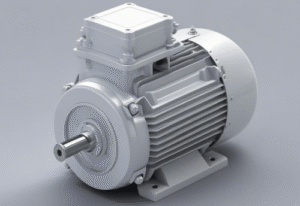
Advantages of Flexible Electric Motor Insulation
Flexible insulation materials are designed to adapt to dynamic environments where vibration, thermal expansion, and frequent mechanical movements occur. In our operations, we utilize flexible electric motor insulation material to protect windings and components from mechanical stress, reducing the risk of short circuits or premature wear. Our products include high-temperature films and tapes that maintain dielectric strength while offering excellent conformability. By integrating flexible insulation, we help our clients in the automotive and electric machinery sectors achieve greater reliability and longer maintenance intervals.
Benefits of Rigid Electric Motor Insulation
Rigid insulation materials, on the other hand, provide robust structural support and exceptional thermal resistance, making them ideal for stationary components and high-voltage applications. At Sui On Insulating, we supply rigid laminates and sheets that enhance motor performance under continuous heavy loads. These materials ensure uniform insulation, reducing energy losses and improving overall efficiency. Our company’s vertical integration and in-house production capabilities enable us to deliver these rigid materials with consistent quality, rapid turnaround, and full compliance with international certifications, making them suitable for energy and data center industries where operational continuity is critical.
Choosing the Right Insulation for Your Motor
Selecting between flexible and rigid motor insulation requires careful consideration of operating conditions, environmental stresses, and regulatory compliance. We advise clients to evaluate temperature ranges, mechanical stress levels, and potential chemical exposures. At Sui On Insulating, we complement our electric motor insulation material offerings with technical consultation, ensuring that each client receives tailored solutions. Our industrial motor products are designed to meet a wide range of specifications, supporting applications from standard industrial motors to specialized automotive systems.
Conclusion: Tailoring Insulation to Application Needs
In conclusion, both flexible and rigid electric motor insulation material have distinct advantages depending on the use case. Flexible materials excel in high-vibration and dynamic environments, while rigid materials provide stability and thermal resistance for heavy-duty applications. At Sui On Insulating, we leverage our 40 years of expertise, comprehensive testing capabilities, and robust manufacturing infrastructure to provide insulation solutions that are reliable, efficient, and customized to client needs. Choosing the appropriate insulation type is essential for motor longevity, energy efficiency, and operational safety, and our solutions support these objectives across industries including automotive, energy, data centers, and industrial machinery.